
Radon Guide
Plain-language radon articles for York, PA: testing, mitigation systems, costs, real estate, older homes, crawl spaces, sump pits and well water.
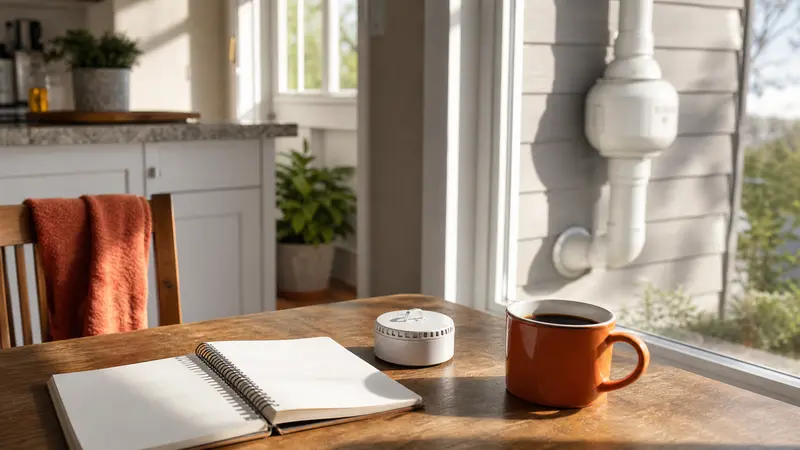
Commercial and Multifamily Radon Mitigation
Main page →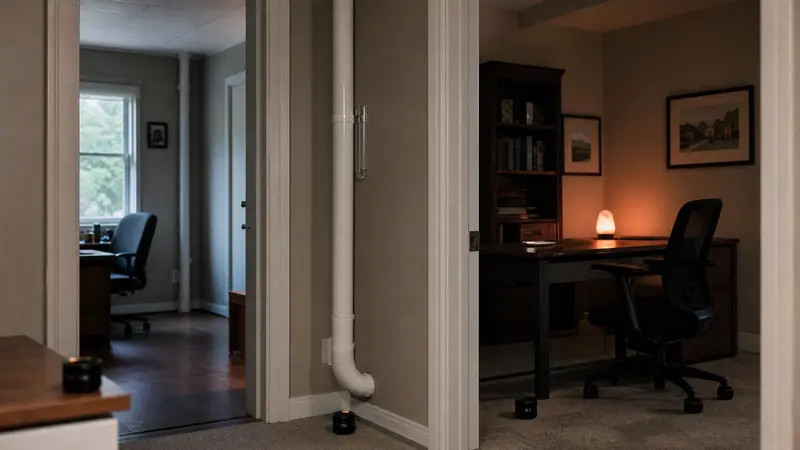
How Commercial and Multifamily Radon Testing Works
How commercial and multifamily radon testing differs from a home test: ANSI/AARST MA-MFLB-2023 test locations, HVAC rules, timing and follow-up.
Radon Rules for Pennsylvania Landlords
Do PA landlords have to test for radon? What state law says today, where disclosure applies, what lenders may require and best practice for rental owners.
Radon in Apartments and Multifamily Buildings
Radon in apartments is highest in ground-floor units, but upper floors are not always safe. Which units to test, how to fix it and who is responsible.
Radon Testing in Pennsylvania Schools and Daycares
Are PA schools and daycares required to test for radon? Current law, the status of House Bill 289 and how schools and child care centers can test now.
Crawl Space Radon Mitigation and Encapsulation
Main page →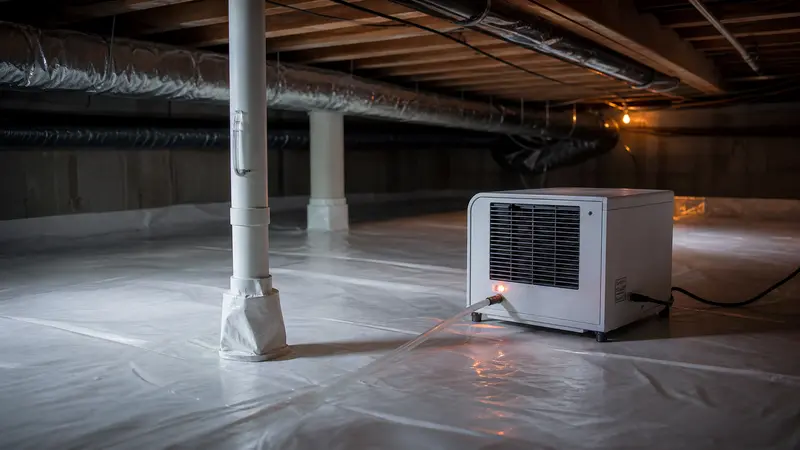
Crawl Space Dehumidifiers and Radon
A crawl space dehumidifier controls moisture but does not remove radon. Learn how it pairs with a sealed membrane and radon fan in an encapsulated crawl.
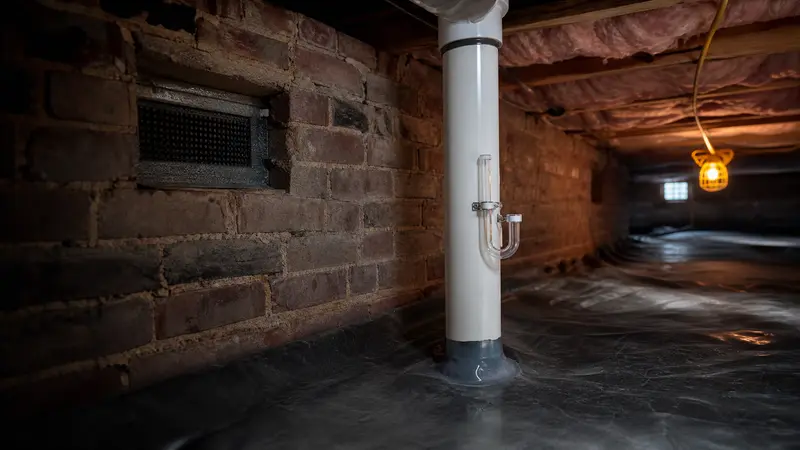
Do Crawl Space Vents Reduce Radon?
Open crawl space vents can dilute radon, but results swing with the weather and bring moisture and frozen-pipe risks. See what works better.
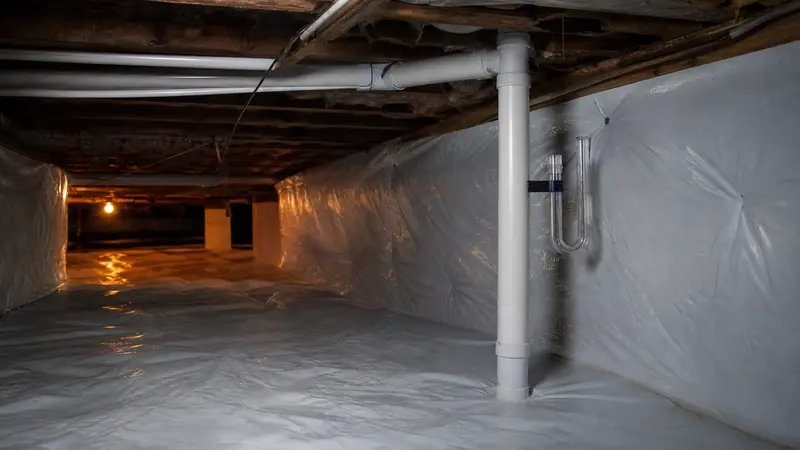
Does Crawl Space Encapsulation Reduce Radon?
Encapsulation alone cuts radon only a little. Learn why, and how adding suction under the liner turns an encapsulated crawl space into a radon system.
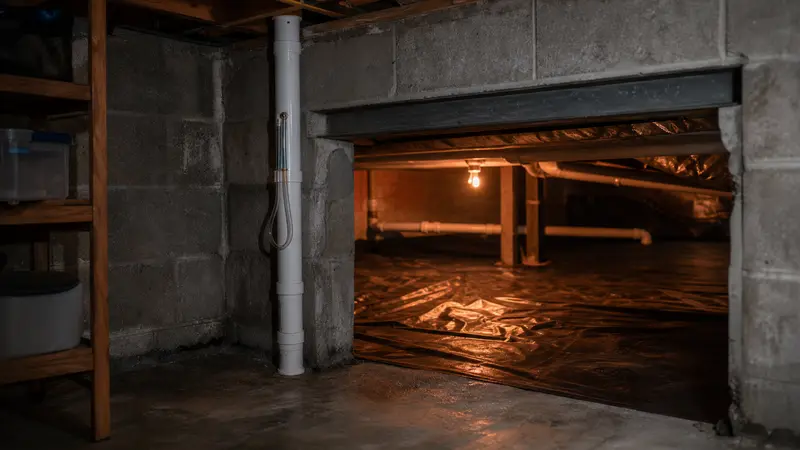
Radon Mitigation for Homes with a Basement and a Crawl Space
Have a basement and a crawl space? One fan can often treat both. See how the two areas tie together and when a second suction point is needed.
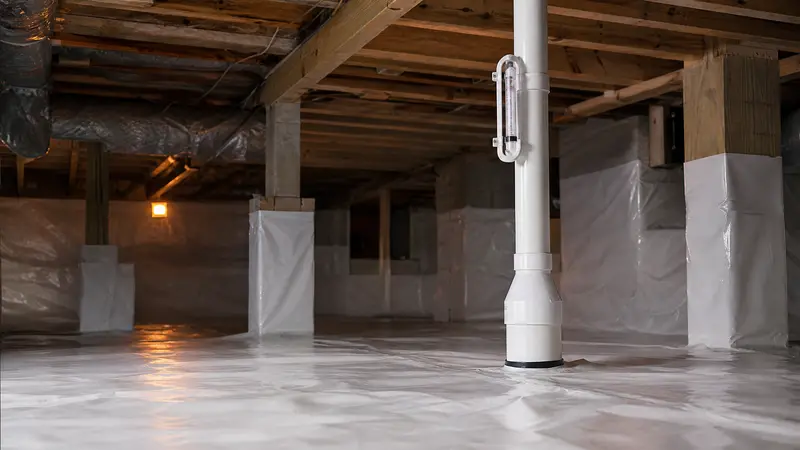
Sub-Membrane Depressurization (SMD) Explained
How sub-membrane depressurization lowers radon in crawl spaces and dirt floors: the membrane, sealing, suction point, fan and how to tell it works.
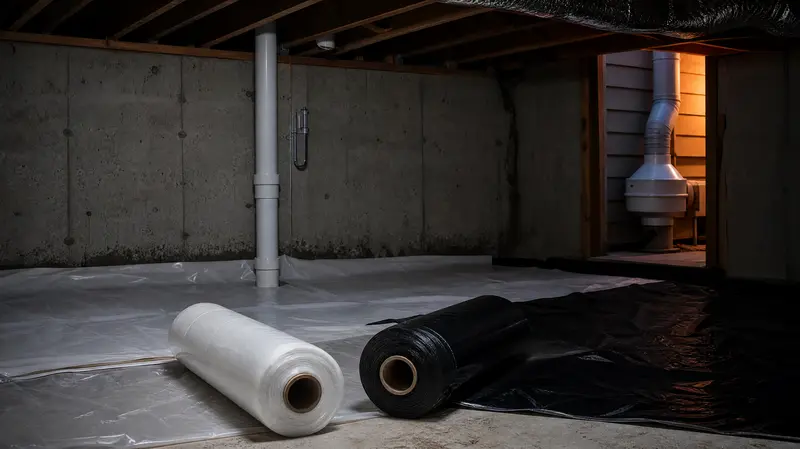
Vapor Barrier vs. Radon Barrier
A loose vapor barrier is not a radon barrier. Compare thickness, sealing and suction, and learn when an existing crawl space liner can be upgraded.
Radon-Resistant New Construction for York, PA Builders
Main page →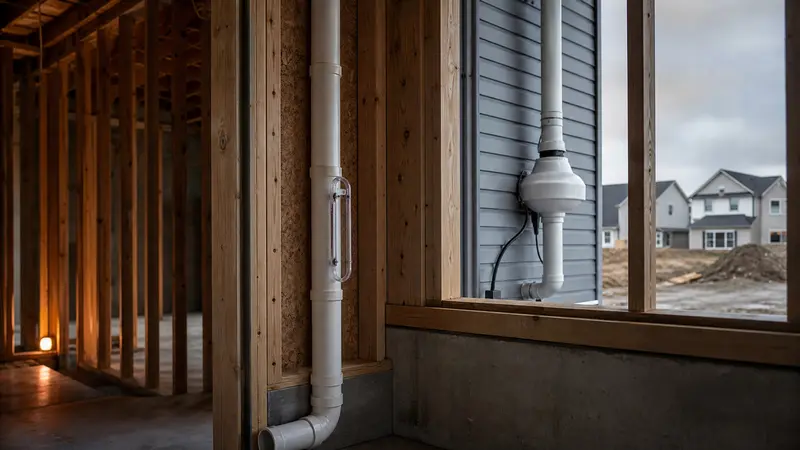
Pennsylvania Building Code and Radon
Does Pennsylvania's building code require radon systems in new homes? What the UCC says, where local rules differ and what builders do anyway.
Questions to Ask Your Builder About Radon
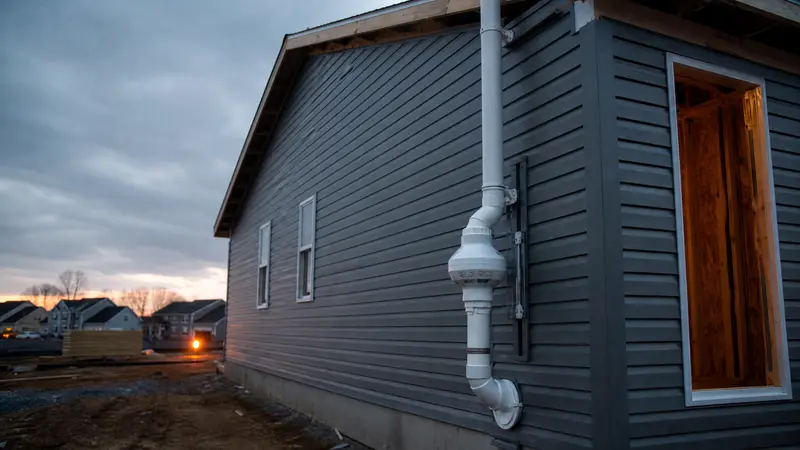
A short checklist for new-home buyers: what radon features to ask about, where the vent stack goes, the attic outlet, testing and who pays to add a fan.
Radon in Brand-New Homes
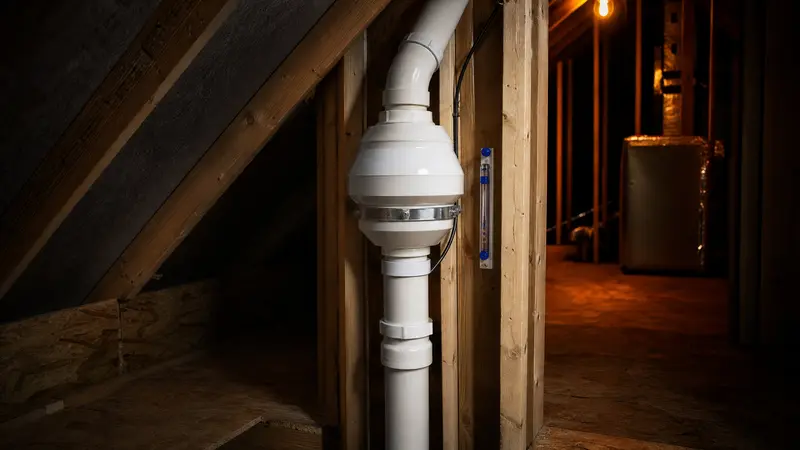
Yes, brand-new homes can have high radon, even with a passive pipe. Why new houses test high, when to test after move-in and what to do with the result.
Radon-Resistant New Construction (RRNC) Explained
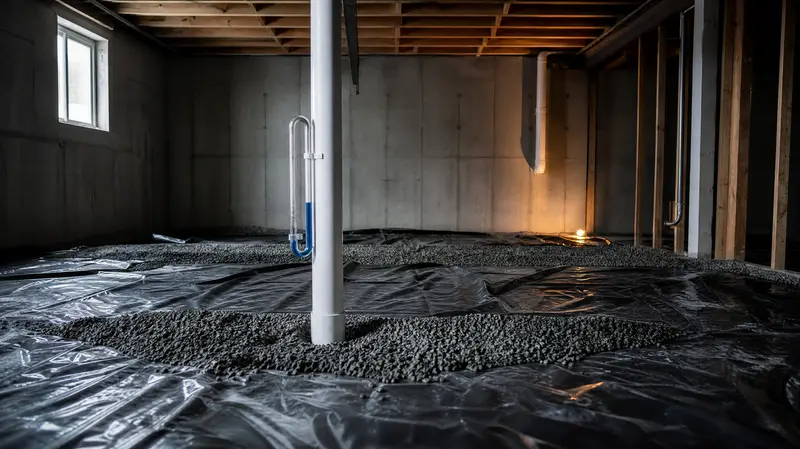
The five parts of radon-resistant new construction, how a passive stack works, what it costs compared with a retrofit, and why you still need to test.
Older Home and Stone Foundation Radon Mitigation
Main page →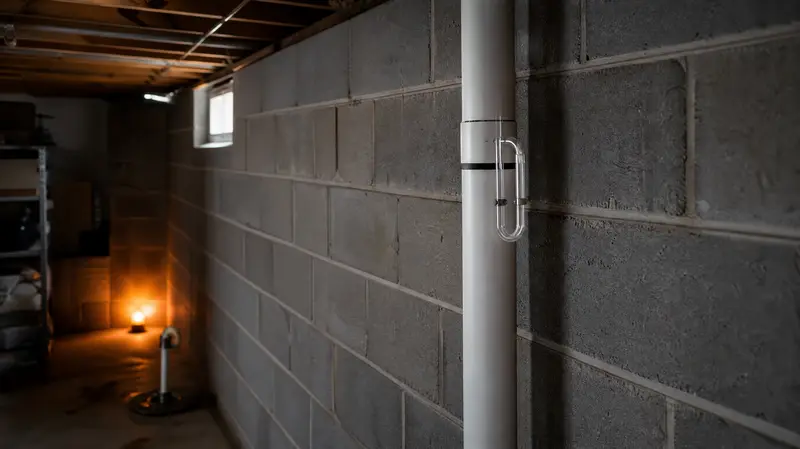
Block Wall Basements and Radon
Hollow concrete block walls carry radon up through their cores. Learn how block-wall depressurization and top-course sealing fix it.
Radon in a Dirt-Floor Basement
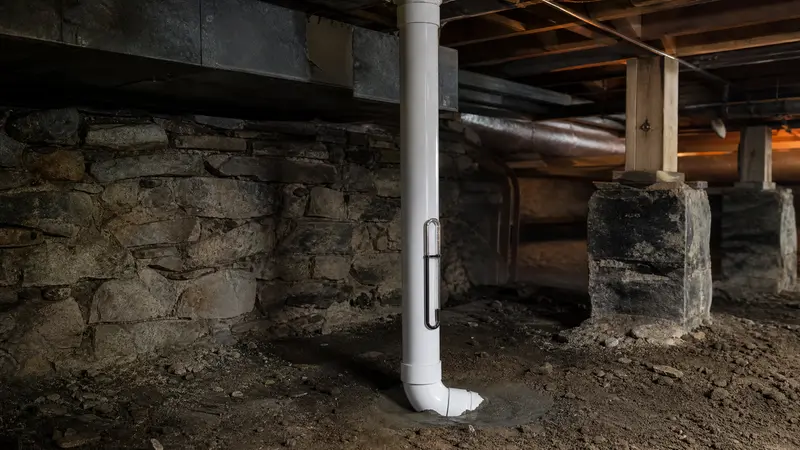
A dirt floor gives radon a wide-open path into your home. Compare a sealed membrane with suction to pouring a new slab, and handling partial dirt floors.
Do Older Homes Have More Radon?
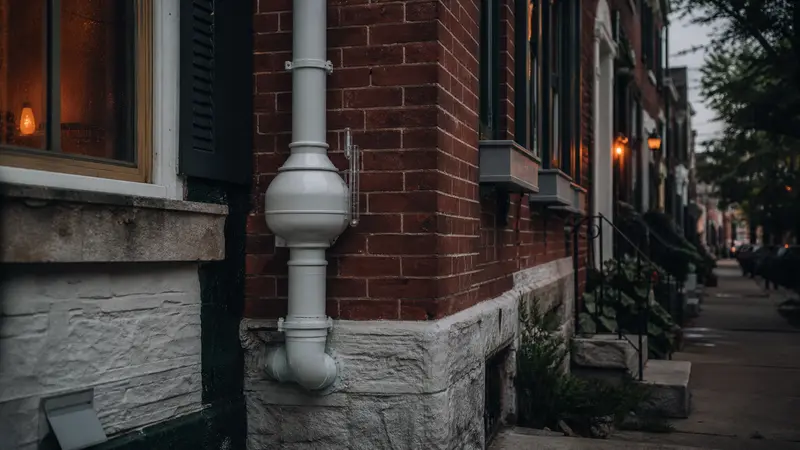
Age doesn't cause radon, but old foundations often let more in. Learn why older homes often test higher and why new homes still need a test.
Radon Systems on Historic Homes
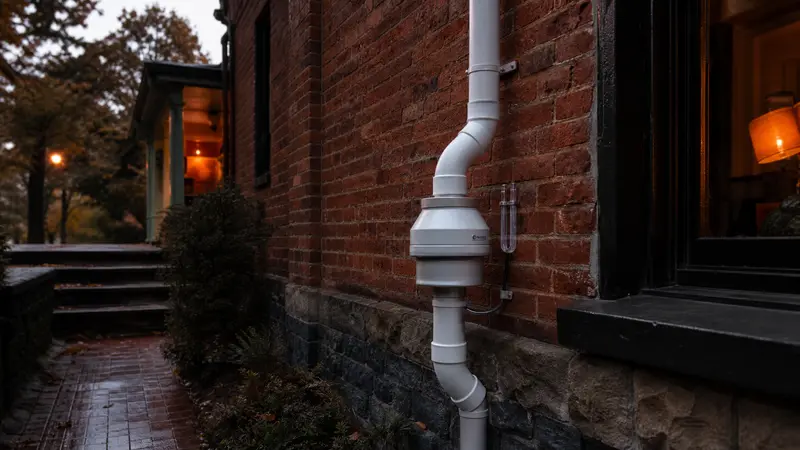
You can add a radon system to a historic home without spoiling the facade. Pipe routing, fan placement and review steps for older and historic houses.
Radon Mitigation in York Rowhomes and Twins
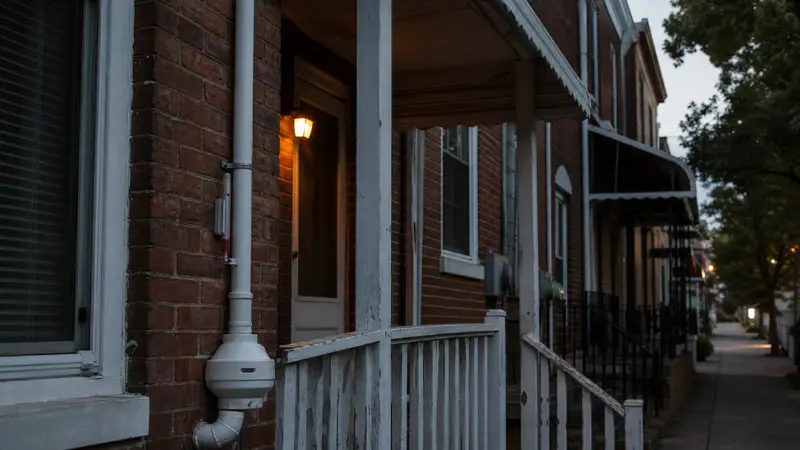
Shared walls, tight lots and close neighbors change how a radon system goes into a York rowhome or twin. Pipe routes, testing and neighbors explained.
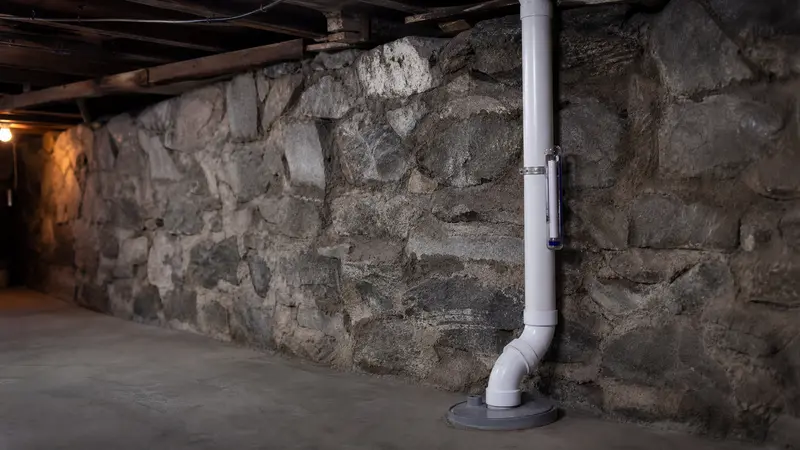
Radon Mitigation for Fieldstone Foundations
Fieldstone walls leak soil gas through every joint. See how radon systems handle stone foundations: extra suction, sealing and wall membranes.
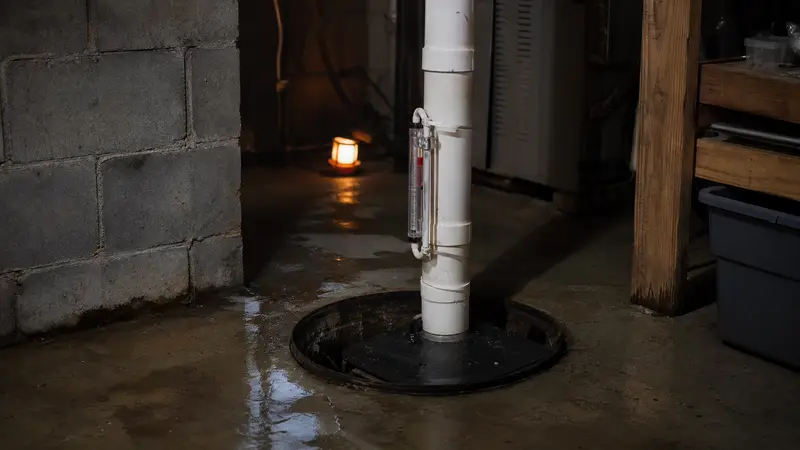
Radon Mitigation in a Wet or Damp Basement
A damp or wet basement can still get a working radon system. Learn how sumps, drains, wet soil and high water change the design, and what to fix first.
Passive Radon System Activation
Main page →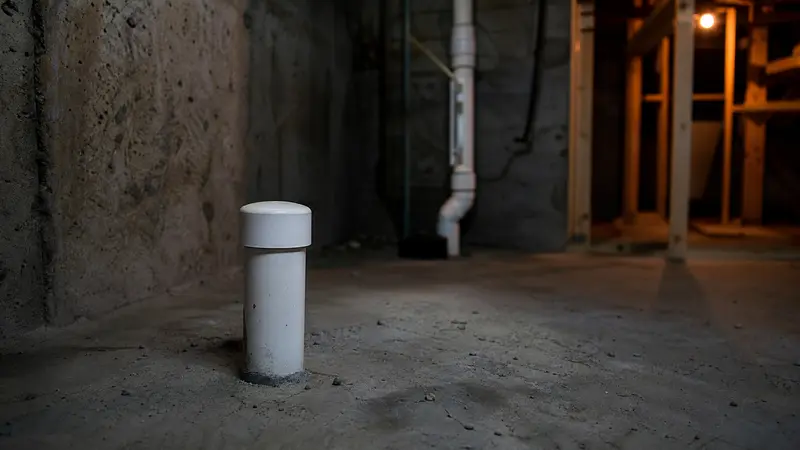
How to Tell If Your House Has a Radon Pipe
Look for a labeled PVC pipe in the basement, a stack through the attic and an outlet nearby. Here's how to spot a radon pipe in 5 steps.
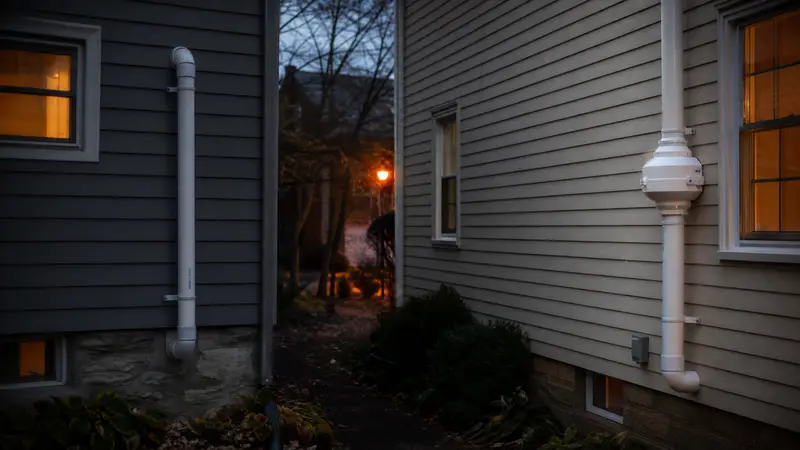
Passive vs. Active Radon Systems
Passive radon systems rely on natural draft; active ones use a fan. Compare how well each works, costs, upkeep, and when to switch.
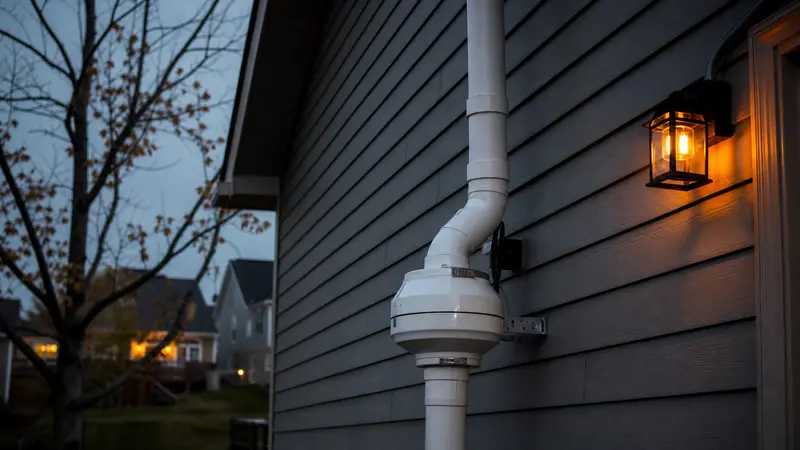
What Is a Passive Radon System?
A passive radon system is a builder-installed pipe with no fan. Learn how it works, why many still test high, and when to add a fan.
Radon Fan Replacement and System Repair
Main page →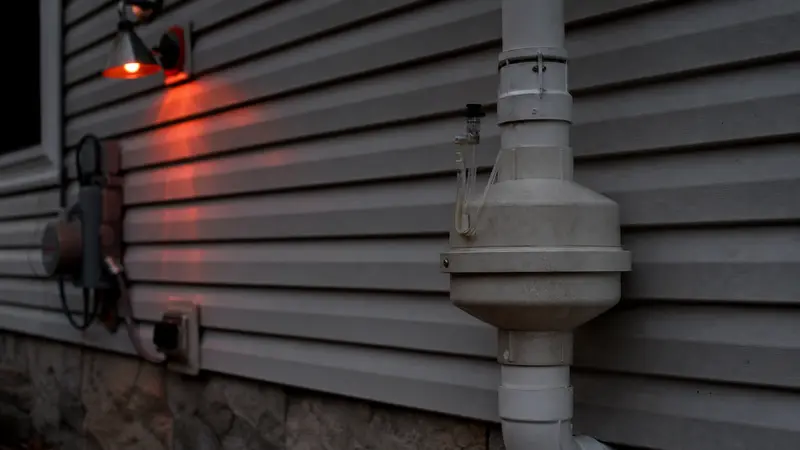
How Long Does a Radon Fan Last?
Most radon fans run 5 to 10 years. Learn what shortens fan life, the warning signs of failure, and what the 5-year warranties cover.
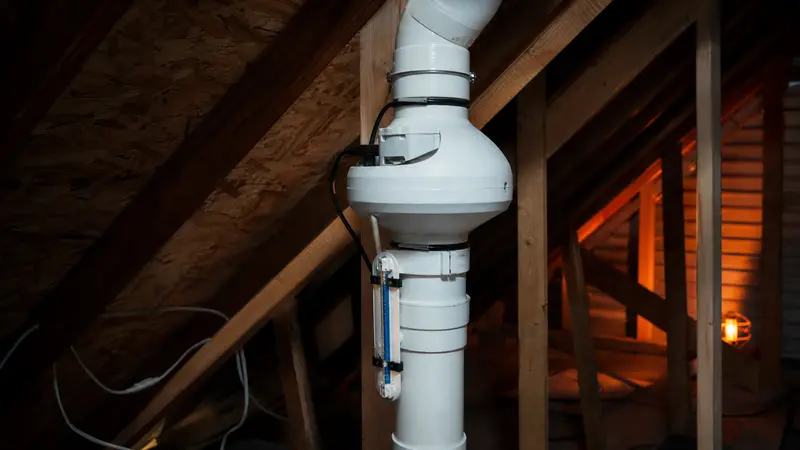
Radon Fan Noise: Causes and Fixes
Radon fan humming, rattling or grinding? Learn which noises are normal, what causes the rest, and which fixes don't need a new fan.
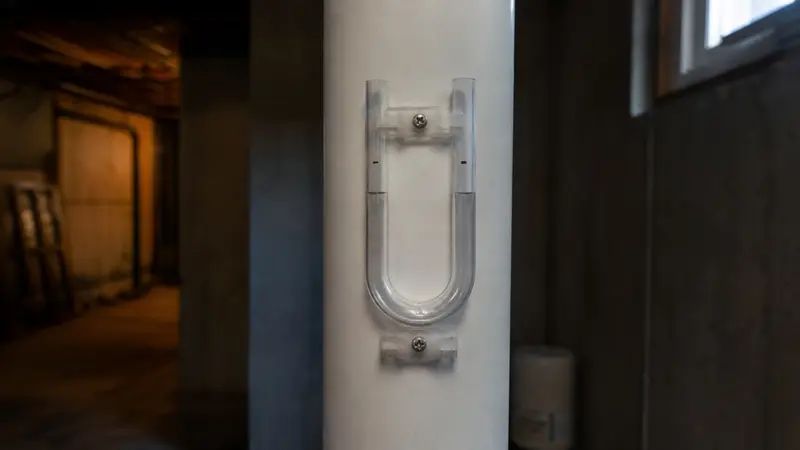
Radon Fan Not Working: Troubleshooting Guide
Radon fan stopped or gauge reading zero? Run these safe checks for power, ice and blockages, and learn when the fan needs replacing.
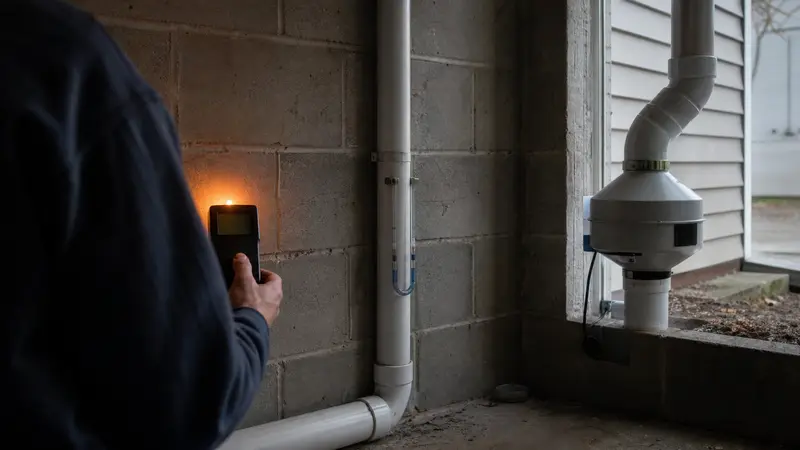
Retesting After Radon Mitigation: When and How Often
Test no sooner than 24 hours and within 30 days of mitigation, then every two years. Here is the full retest schedule, plus after repairs.
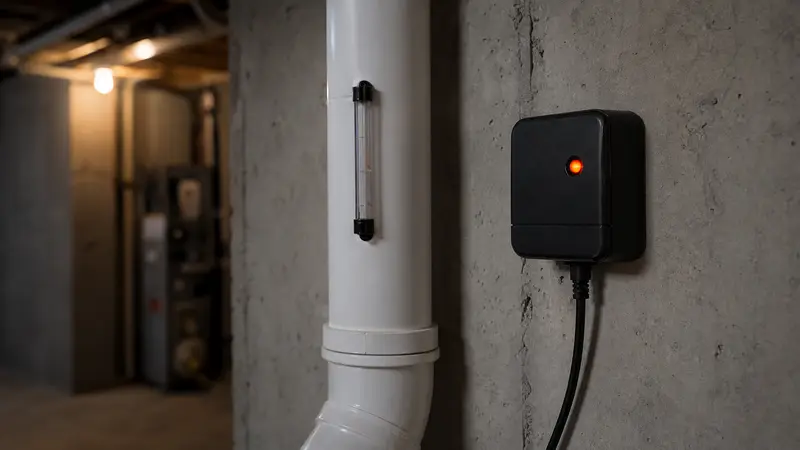
Radon System Alarm Going Off: What to Do
Your radon alarm means suction dropped. Run these quick checks for power, ice and blockages, and learn when the alarm means a new fan.
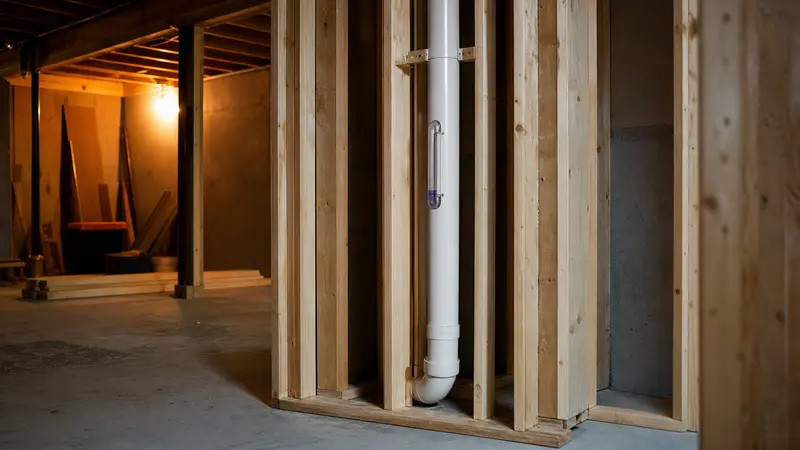
Moving a Radon System During a Basement Remodel
Finishing your basement? Learn how to relocate or box in a radon system the right way, what must stay visible, and why you retest after.
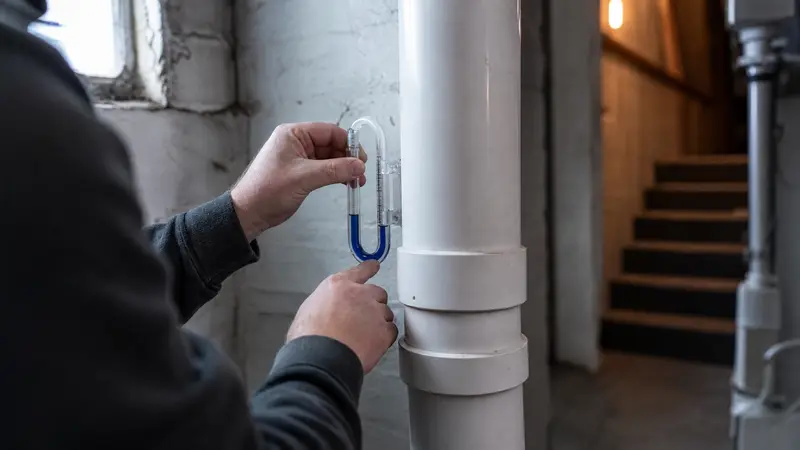
Radon System Maintenance Checklist
Keep your radon system working with this monthly, seasonal and two-year checklist. Gauge checks, fan checks, sealing and retesting.
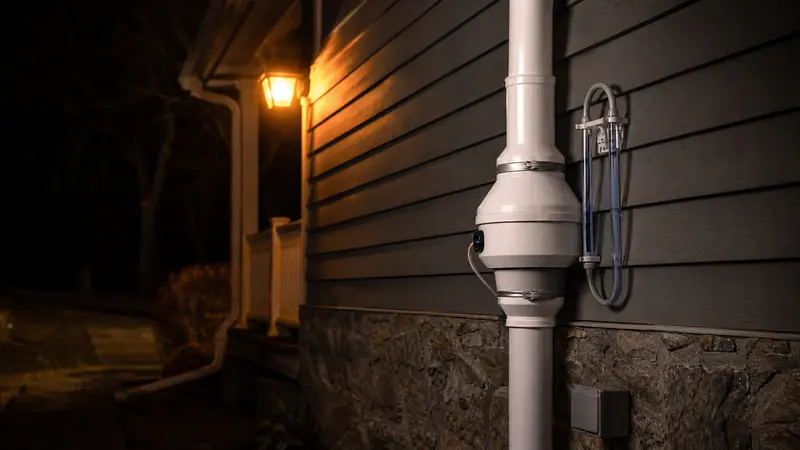
Should a Radon Fan Run All the Time?
Your radon fan should run 24/7. Learn why turning it off lets radon return, what it costs to run, and what to do if it keeps shutting off.
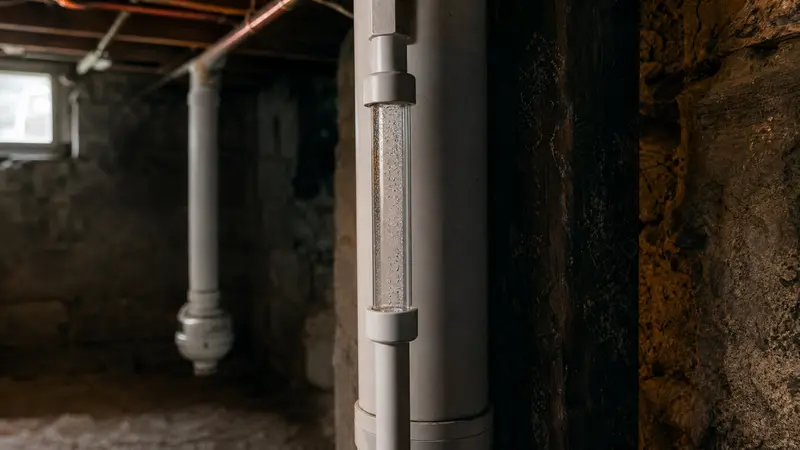
Water or Gurgling in a Radon Pipe: What It Means
Water in your radon pipe is usually condensation draining by design. Learn when gurgling is normal and when it means a pipe slope problem.
Radon in Well Water Treatment
Main page →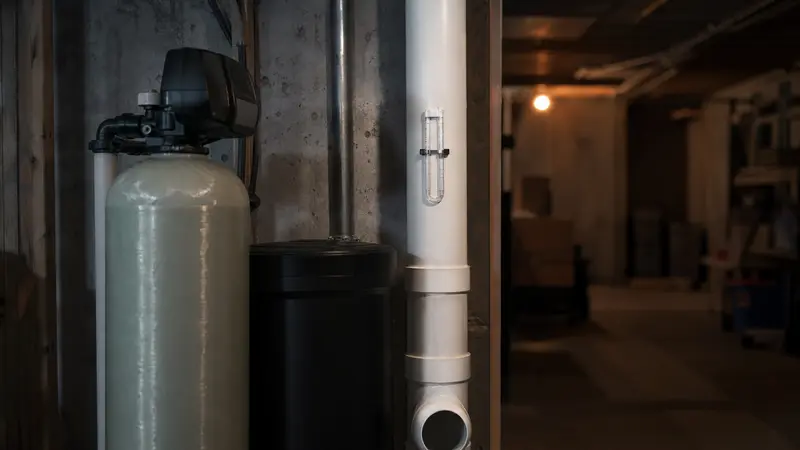
Aeration vs. GAC Carbon Filters for Radon in Water
Aeration or a GAC carbon filter for radon in your well? Compare removal rates, radioactive buildup, upkeep and cost so you pick the right system.
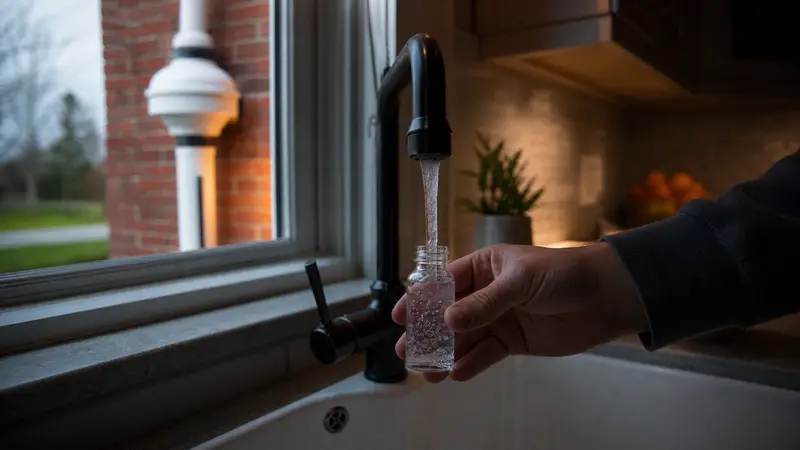
How to Test Well Water for Radon
Radon escapes from water fast, so sampling matters. Learn which tap to use, how to fill the vial with no bubbles and how fast it must reach the lab.
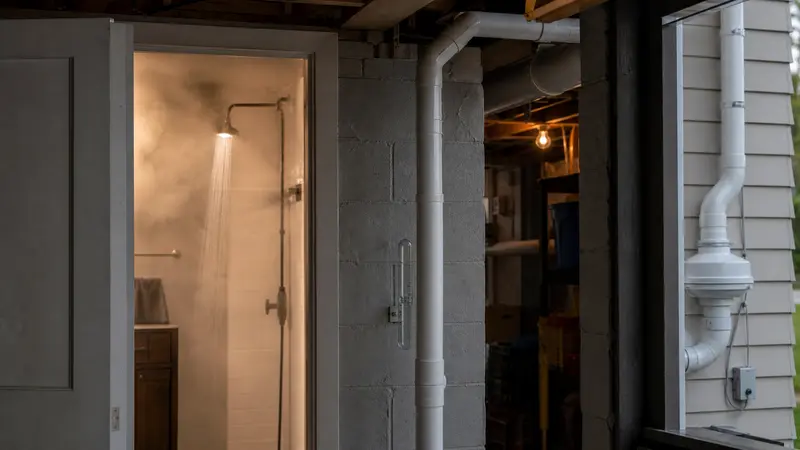
Is Radon in Water Dangerous?
Most of the risk from radon in well water comes from breathing gas released in showers and laundry, not drinking it. Here is what the data shows.
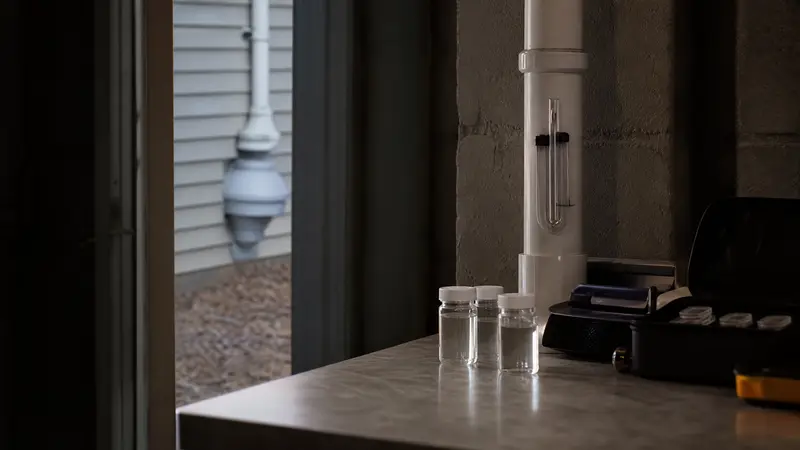
What Level of Radon in Water Is Too High?
EPA proposed 300 and 4,000 pCi/L limits for radon in water in 1999 but never finalized them. Here is how to read your well result and decide.
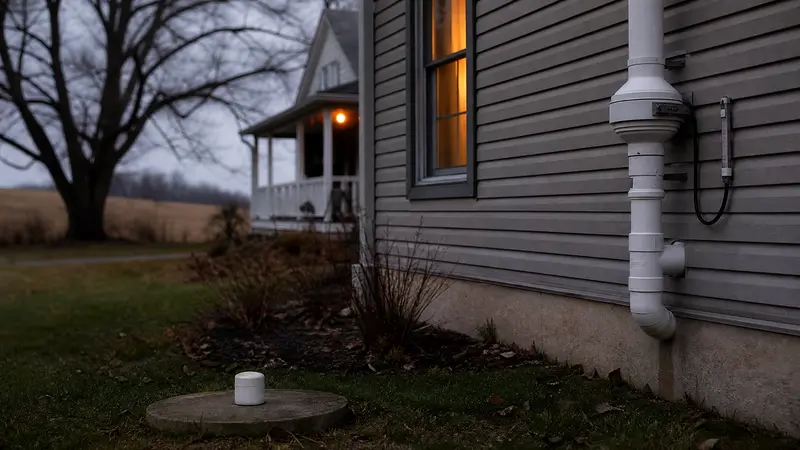
Radon in Well Water: A Guide for York County Homeowners
How radon gets into private wells, why York County wells are worth testing, and when water radon is worth treating. Plain-English guide.
Radon Mitigation System Installation
Main page →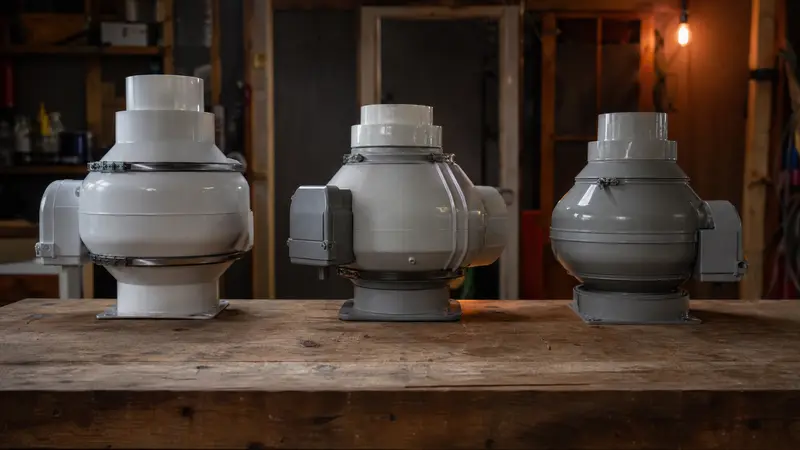
Best Radon Mitigation Fan: RadonAway, Fantech and Festa Compared
Comparing radon fans from RadonAway, Fantech and Festa. What separates models, how installers match a fan to your soil, and why best depends on your house.
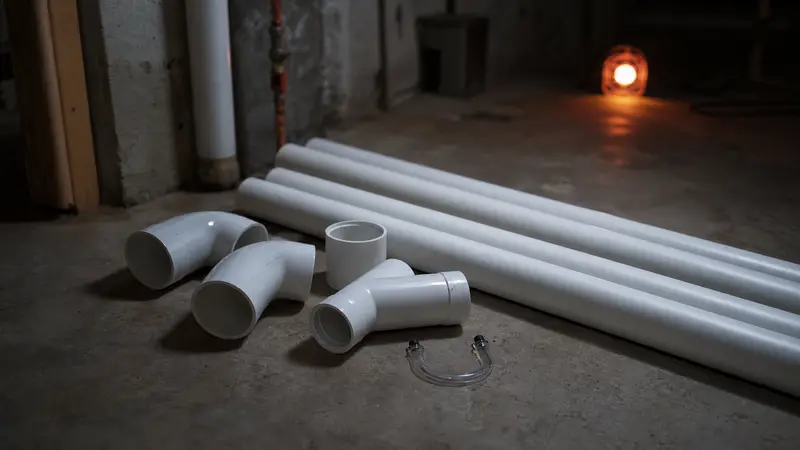
DIY Radon Mitigation in Pennsylvania: What the Law Allows and What to Watch For
Can you install your own radon system in PA? What the law allows, the steps involved, and why DIY systems often fail the clearance test.
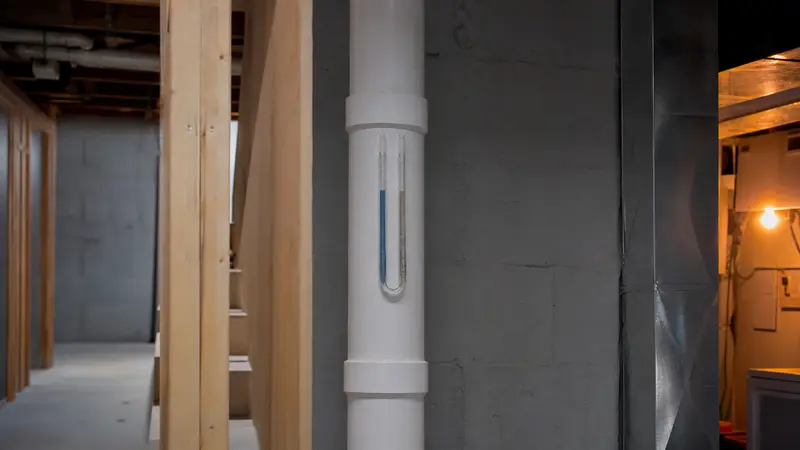
Do Radon Mitigation Systems Actually Work?
Yes, radon systems work when installed right. See how much they lower radon, why some fall short, and how to make sure yours keeps working.
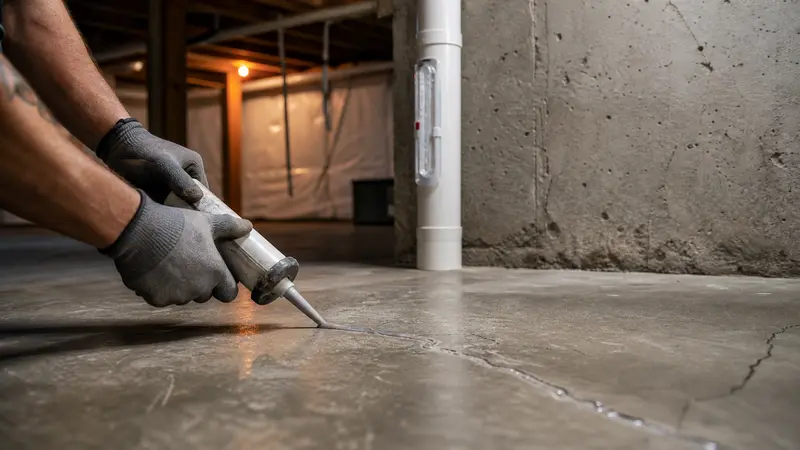
Does Sealing Cracks Reduce Radon? What Radon Sealant for Concrete Can and Cannot Do
Can a radon sealant for concrete fix high radon? What the EPA says about sealing cracks, where sealing helps, and why it works best with a fan system.
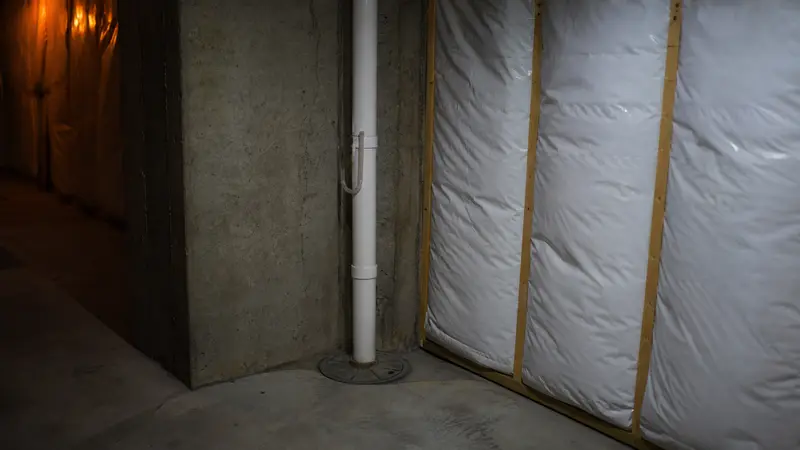
How Does a Radon Mitigation System Work?
A plain-English look at how a radon system pulls soil gas from under your slab and vents it above the roof, part by part, plus how to tell it works.
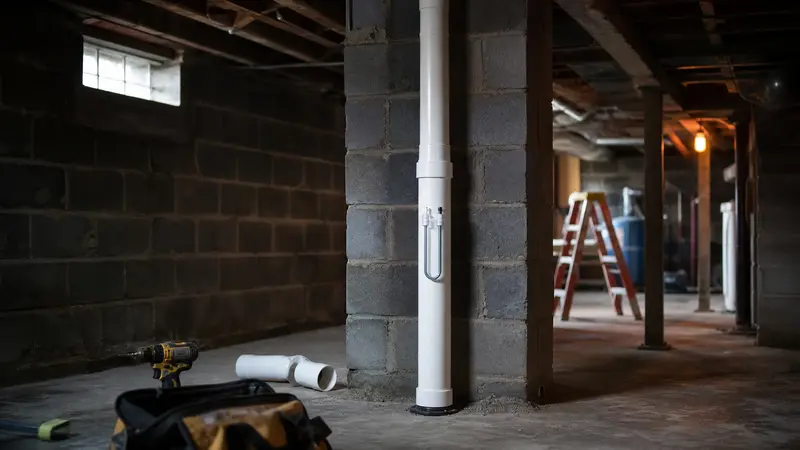
How Long Does Radon Mitigation Take?
Most radon systems are installed in one day. See the full timeline, from quote to clearance test, and what can make a job run longer.
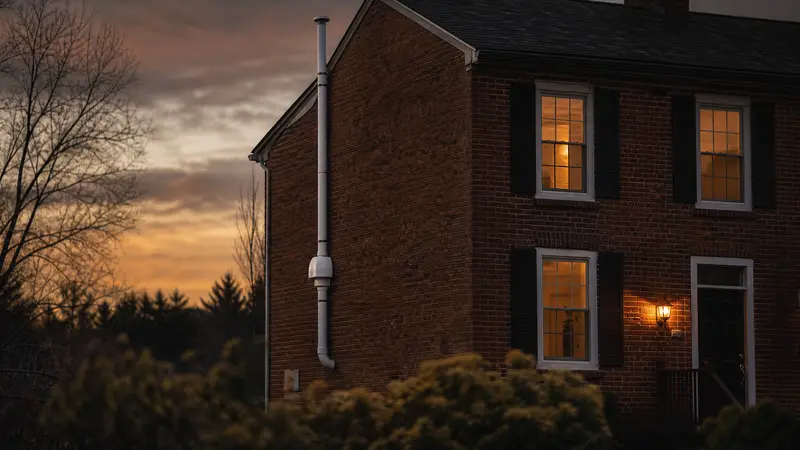
Radon Levels Before and After Mitigation: What the Data Shows
What radon level to expect after mitigation, from EPA, Health Canada and Pennsylvania data: results by method, why the installer matters, and what to aim for.
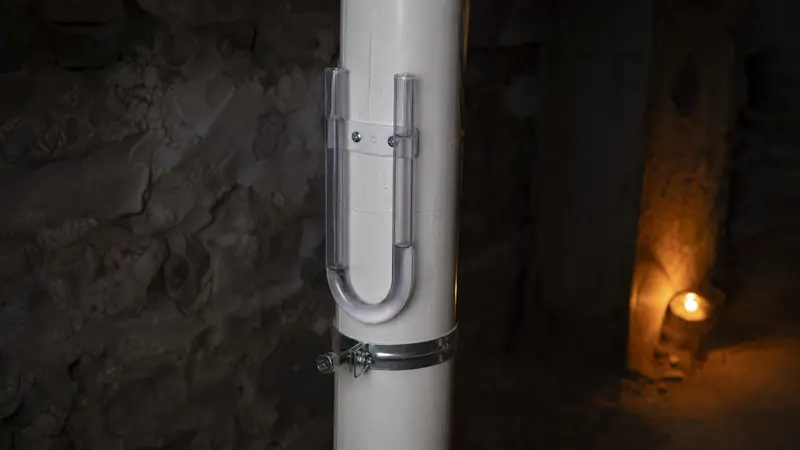
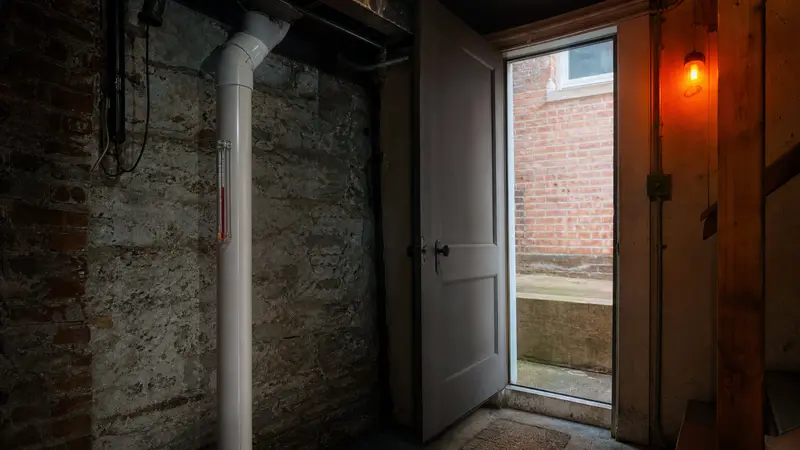
Radon Manometer Reading: What Your U-Tube Gauge Is Telling You
How to read the U-tube manometer on your radon pipe, what a normal reading looks like, and what it means when the liquid is level or reads zero.
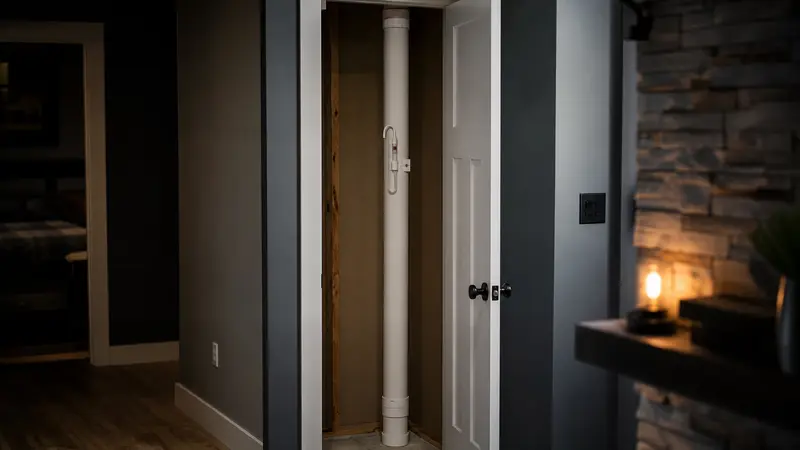
Radon Mitigation in a Finished Basement: How It Is Done
Yes, you can fix radon in a finished basement. How installers place the suction point, hide the pipe and protect your walls and floors.
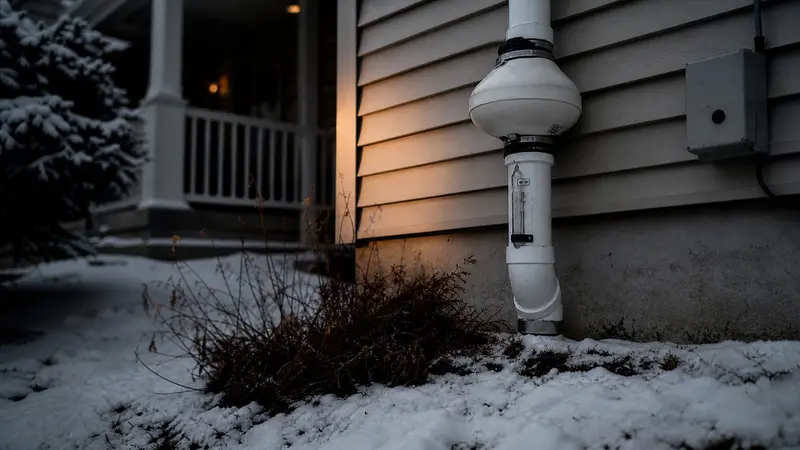
Can Radon Mitigation Be Installed in Winter?
Yes, radon systems can be installed in winter. What changes in cold weather, how installers prevent frozen pipes, and why winter is a smart time to act.
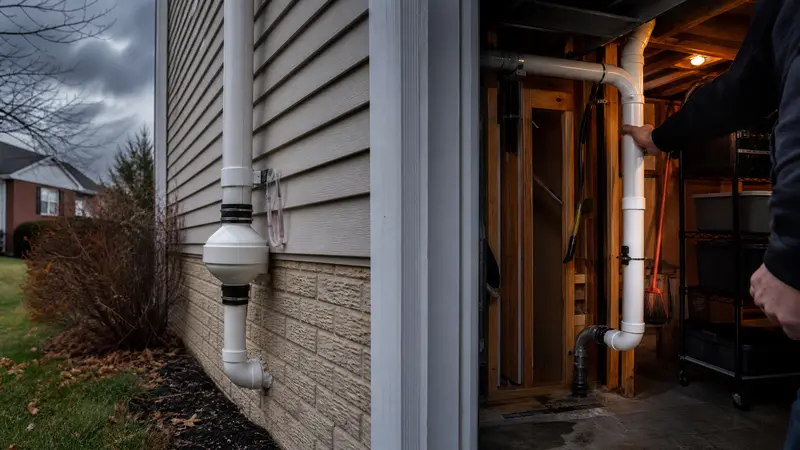
Interior vs. Exterior Radon Mitigation Systems: Which Pipe Route Is Right?
Should your radon pipe run inside or up the outside wall? Compare cost, looks, noise and winter performance before you choose a route.
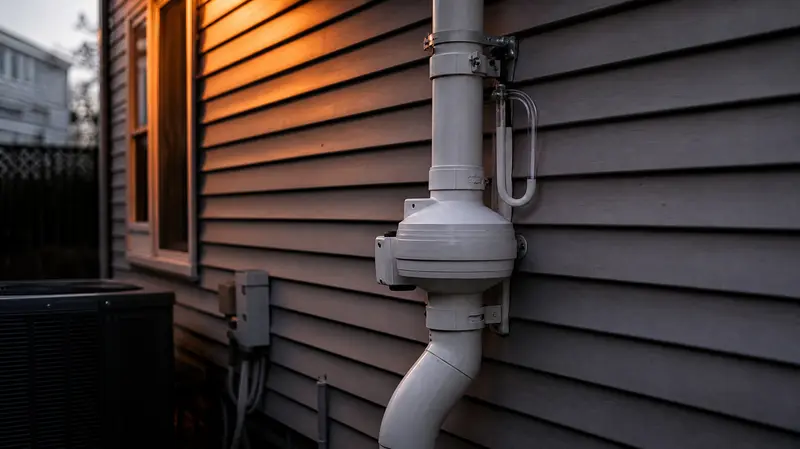
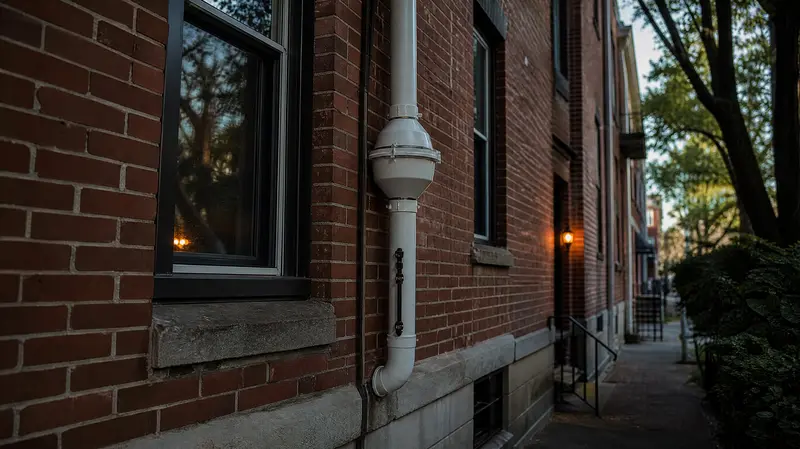
What a Radon Mitigation System Looks Like Outside a House
What a radon system looks like on the outside of a house: the pipe, fan and roof vent, the rules for where they go, and ways to make them blend in.
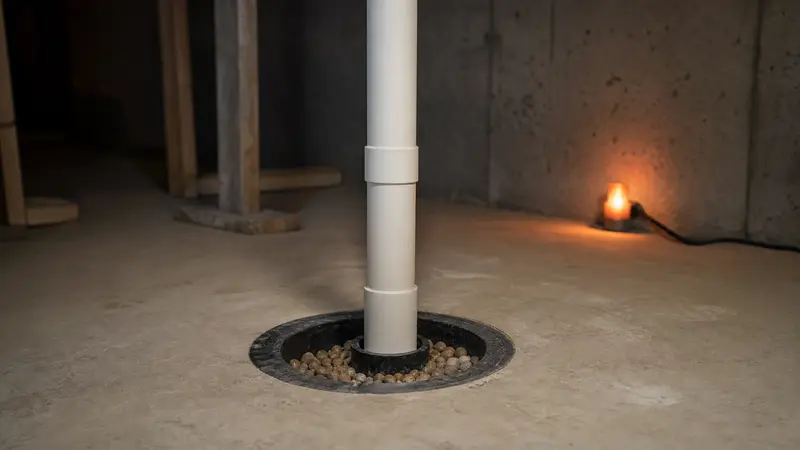
Sub-Slab Depressurization for Radon, Explained
What sub-slab depressurization is, why the EPA favors it for radon, how it is installed in a basement, and what makes it work well or poorly.
Radon Testing
Main page →
The Best Time of Year to Test for Radon
You can test for radon any time of year. Learn why winter results often run higher, why January is Radon Action Month and how to time your test.
Closed-House Conditions for a Radon Test
Closed-house conditions mean windows and outside doors shut 12 hours before and during a short radon test. See what you can and cannot do.
Are Digital Radon Monitors Accurate?
Consumer digital radon monitors are good for trends but are not certified test devices. Learn how accurate they are and when you need a certified test.
Free and Low-Cost Radon Test Kits in Pennsylvania
Pennsylvania residents can sometimes get a free radon test kit through PA DEP and the American Lung Association. See current options and low-cost kits.
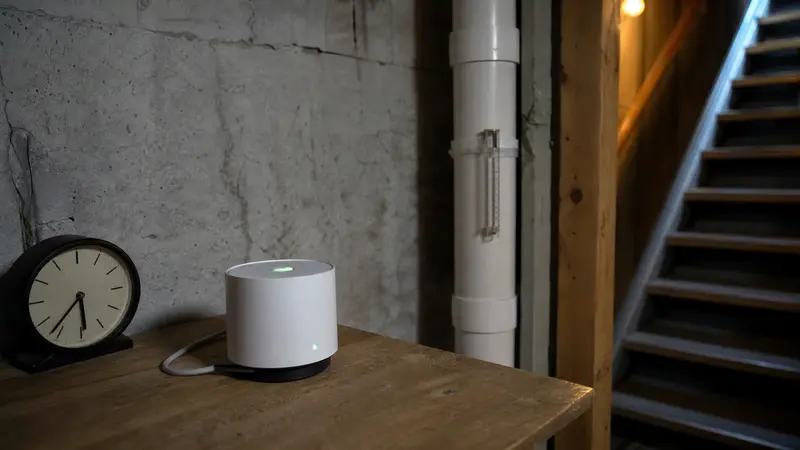
How Long Does a Radon Test Take?
A short-term radon test runs at least 48 hours; a long-term test runs over 90 days. See the full timeline, from closed-house prep to your results.
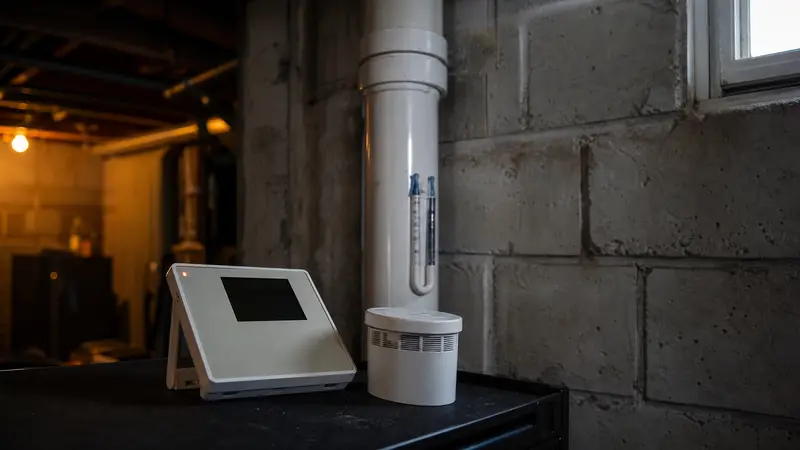
Professional Radon Test vs. Home Test Kit: Which Should You Use?
Home radon kits and professional tests can both be valid. See how they differ in accuracy, cost and real-estate use, and when you need a certified test.
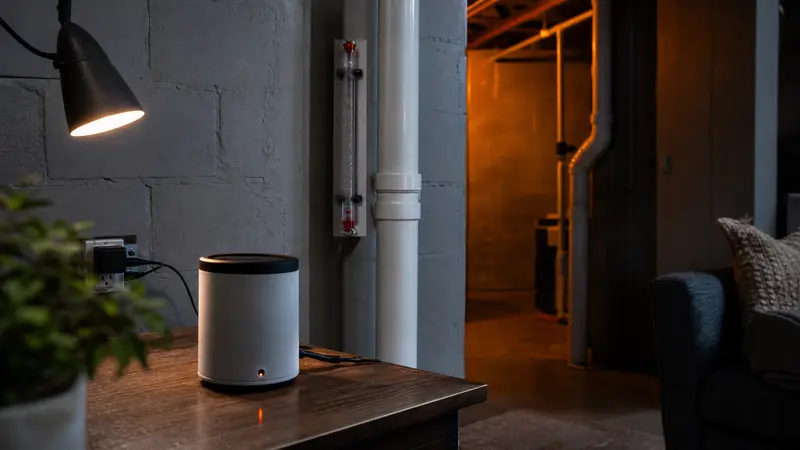
Radon Test Results Explained: How to Read Your Number
What does your radon number mean? Learn the 4.0 pCi/L action level, the 2 to 4 gray zone, how to read a monitor report and what to do next.
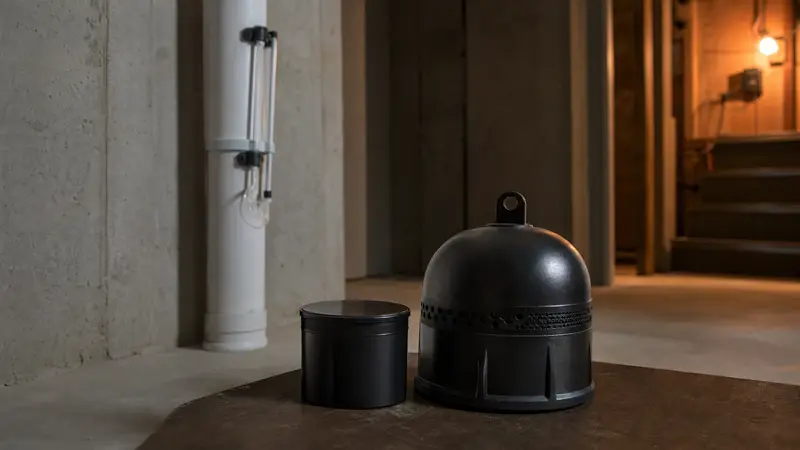
Short-Term vs. Long-Term Radon Tests: Which Do You Need?
Short-term radon tests give a fast answer in 2 to 90 days. Long-term tests show your true yearly average. Learn which fits a home sale or your own home.
Where to Place a Radon Test in Your Home
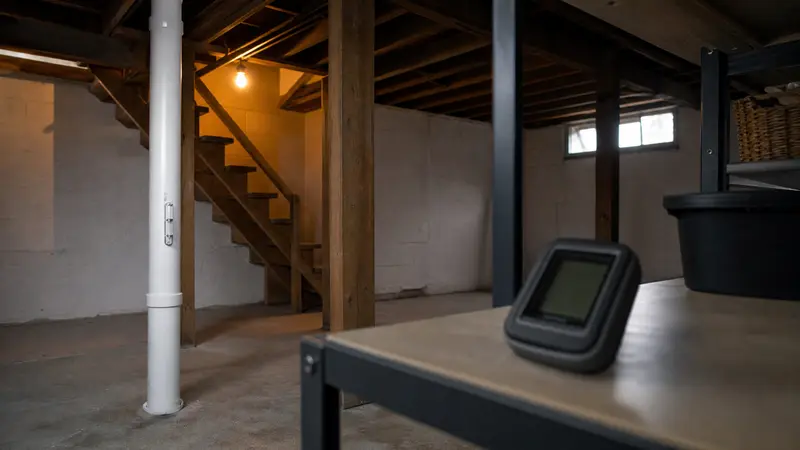
Put your radon test in the lowest lived-in level, 20 inches up, away from drafts, walls, sumps and humidity. See the full placement checklist.
Why Two Radon Tests Give Different Results
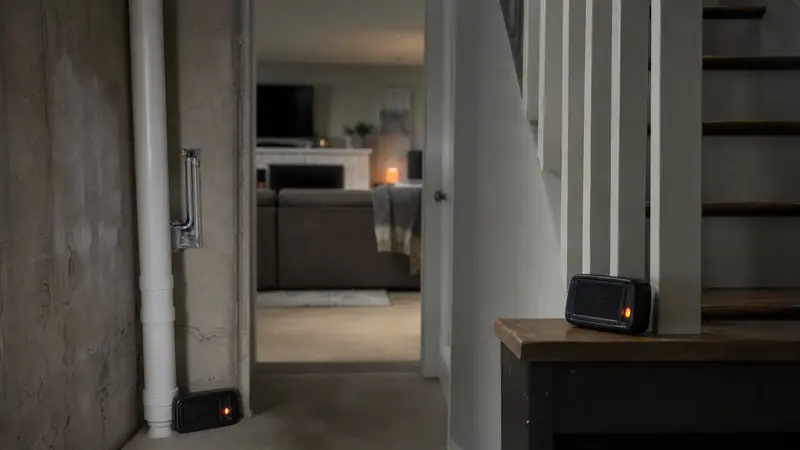
Two radon tests in the same house can disagree. Learn how weather, season, placement, device error and test length change results, and what to do next.
Radon Mitigation for Home Sales in York, PA (Before Closing)
Main page →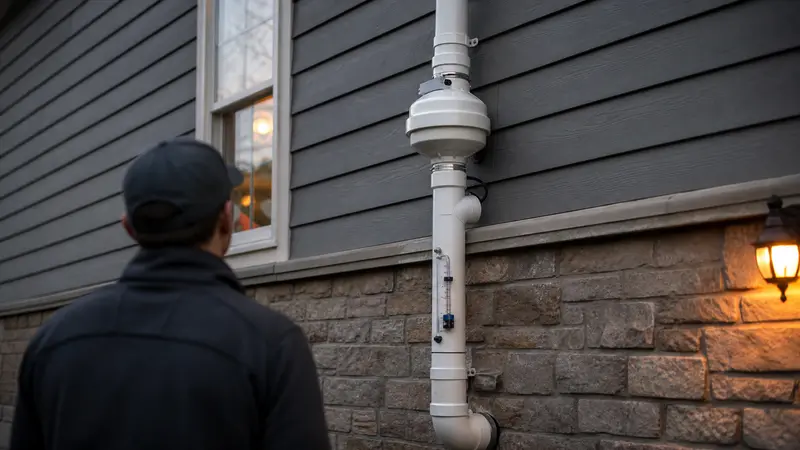
Buying a House With a Radon Mitigation System
A radon system is usually a plus. Here is how to check the fan, the manometer, past test results and the installer before you buy in York, PA.
Does a Radon System Affect Home Value?
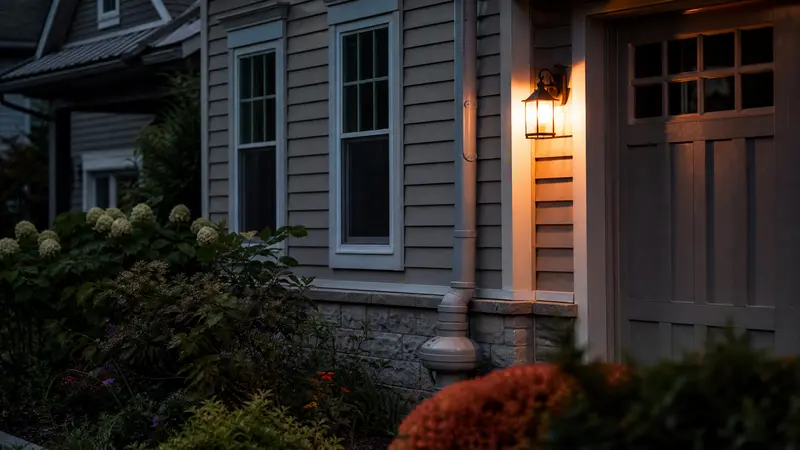
A working radon system generally does not hurt resale value. In a Zone 1 county like York, many buyers expect one. Here is why.
Is High Radon a Deal Breaker When Buying a House?
High radon rarely kills a home sale. Learn why it is fixable in about a day, how York deals handle it, and when walking away makes sense.
Do You Have to Disclose Radon in PA? Pennsylvania Radon Disclosure Rules for Sellers
Pennsylvania sellers must disclose known radon tests, results and systems. See what the law requires, what it does not, and how to handle it.
How the Radon Contingency Works in a PA Purchase Agreement
How radon fits the inspection contingency in a PA agreement of sale: the test window, the buyer's options, the seller's response and deadlines.
Radon Credit at Closing vs. Seller-Installed System
Should the seller install a radon system or give a credit at closing? Compare control, timing, proof and lender rules before you decide.
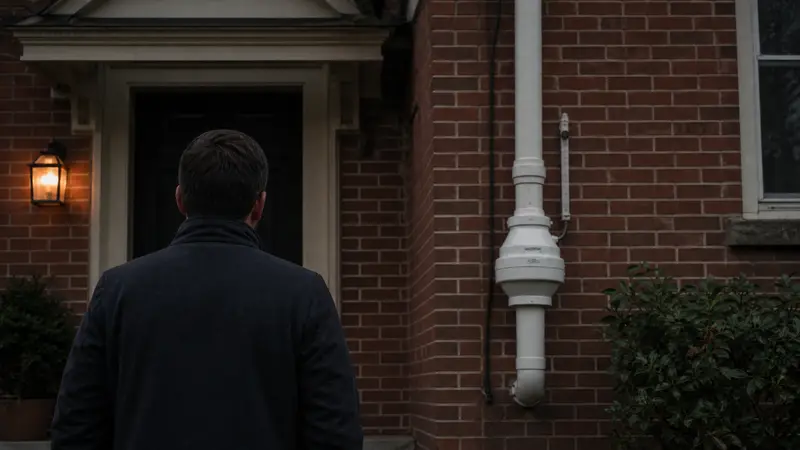
Radon Guide for York Real Estate Agents
A practical radon guide for York agents: test timing, PA rules, contingency requests, seller disclosure and keeping a high result from delaying closing.
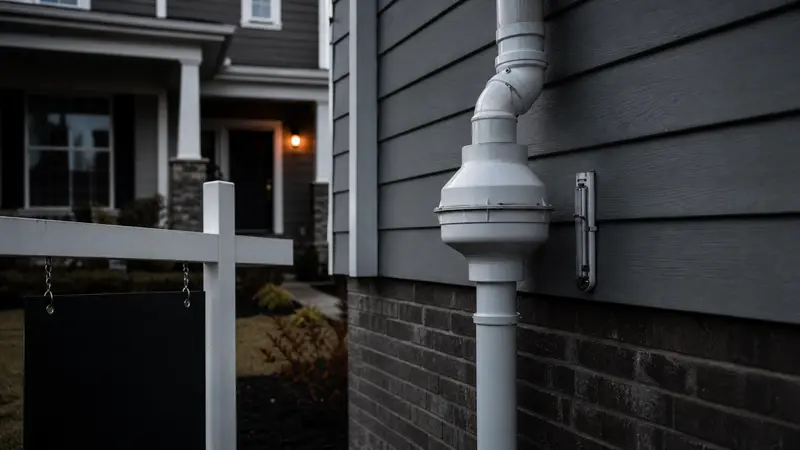
Getting Radon Mitigation Done Before Closing
Yes, radon mitigation can be done before closing. See the install, 24-hour wait and retest timeline, plus the paperwork lenders and agents need.
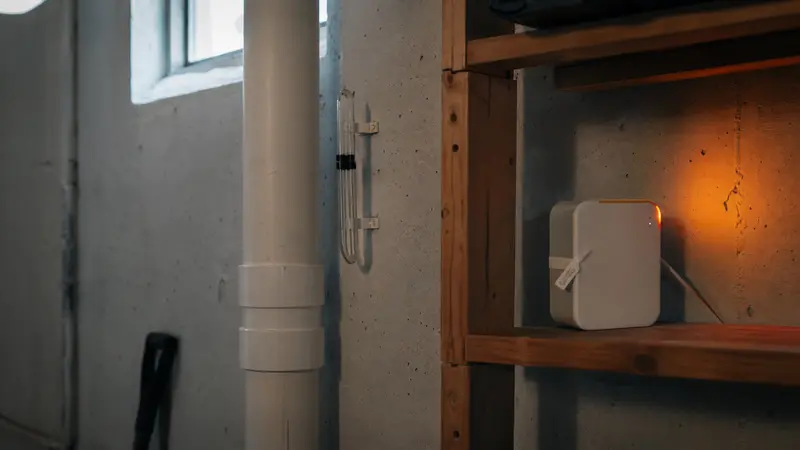
Radon Test Tampering in a Home Sale
How radon test tampering happens in a home sale, how PA testing rules and monitors detect it, and what buyers and sellers should do about it.
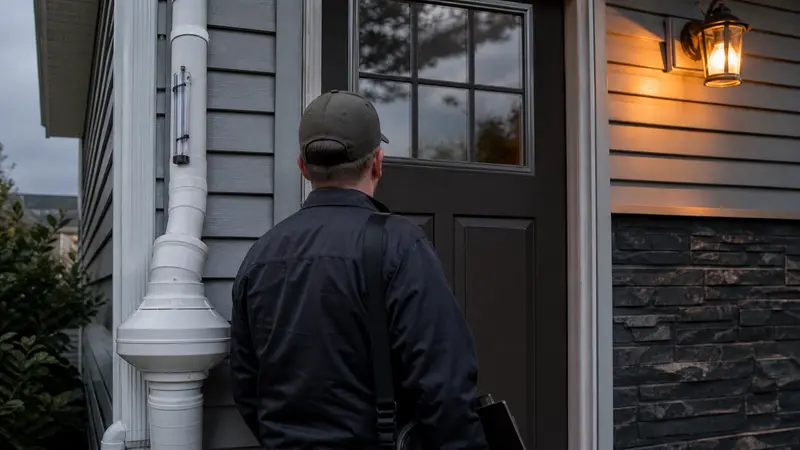
Radon Testing During a Home Inspection
Order the radon test with your home inspection so results land inside the contingency window. Learn timing, rules and how to read the results.

Who Pays for Radon Mitigation: Buyer or Seller?
In PA, who pays for radon mitigation is negotiated during the inspection contingency. See the common outcomes and how to choose the right one.
Sump Pump Radon Mitigation
Main page →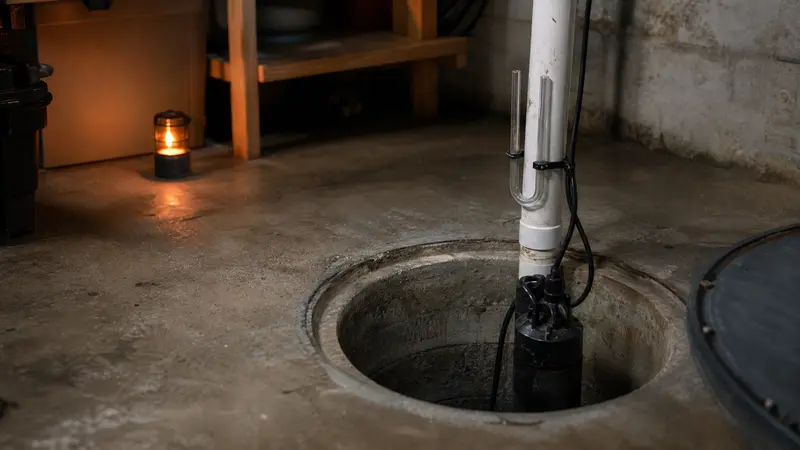
Does a Sump Pump Cause Radon?
A sump pump does not make radon, but an open sump pit lets soil gas pour into your basement. Here is why, and how to close that path for good.
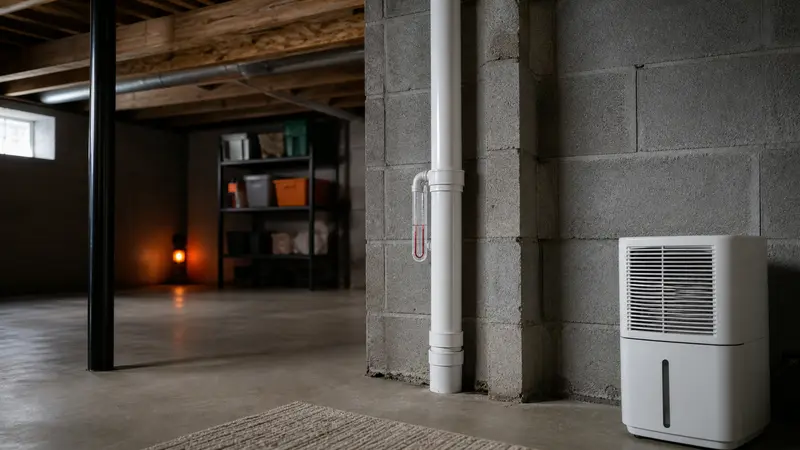
Does Radon Mitigation Reduce Basement Moisture?
A radon system can lower basement humidity a little as a side effect, but it is not waterproofing. Here is what to expect and when you need more help.
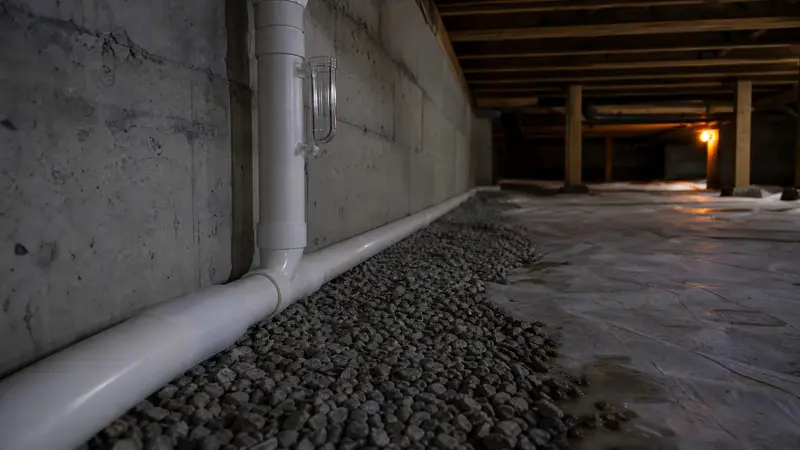
Using Perimeter Drain Tile for Radon Mitigation
How a radon fan uses your drain tile and sump pit as one big suction point, when it works best, and when a separate slab hole is the better choice.
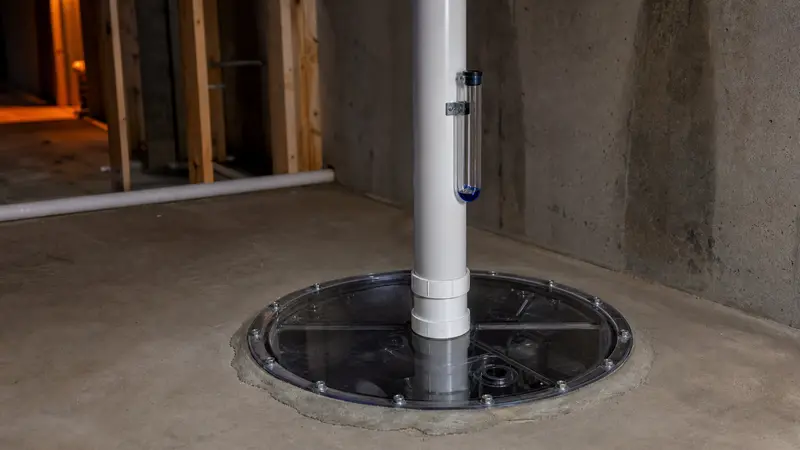
Sealed Sump Pit Covers for Radon
What makes a sump pump radon cover airtight: gaskets, sealed cord and pipe ports, a viewing window and a removable lid. Plus when a cover is not enough.
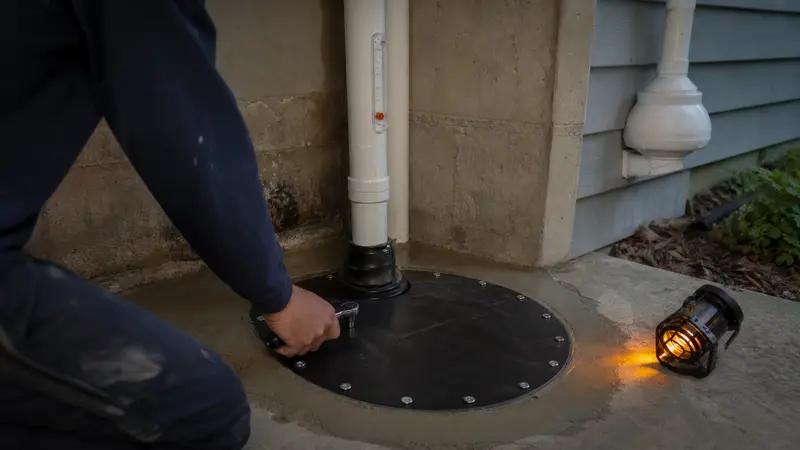
Servicing a Sump Pump With a Radon Cover
Yes, you can still reach your sump pump under a radon cover. Step-by-step: shut off the fan, open the lid, service the pump and reseal it the right way.
Radon Mitigation Cost
Main page →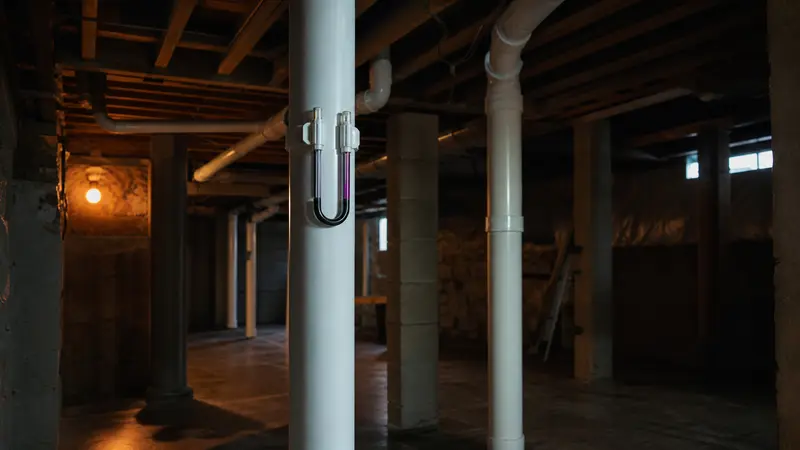
Commercial Radon Mitigation Cost
How commercial and multifamily radon mitigation is priced: building size, slab layout, fan count, testing and standards. Get a free written quote.
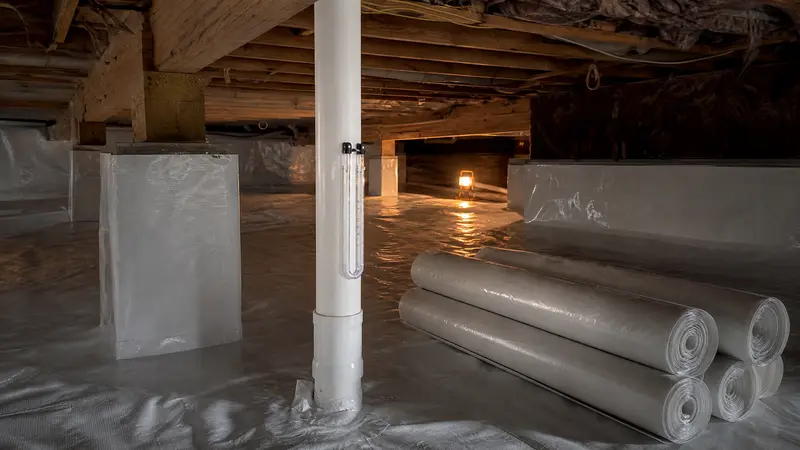
Crawl Space Radon Mitigation Cost
What crawl space radon mitigation costs, how sub-membrane systems are priced, and how encapsulation changes the total for York homeowners.

Does Homeowners Insurance Cover Radon Mitigation?
Homeowners insurance rarely covers radon mitigation. Learn why, the few exceptions, and who usually pays when a York home is bought or sold.
Is Radon Mitigation Tax Deductible?
Radon mitigation is generally not tax deductible for a primary home. Learn the narrow exceptions for rentals, cost basis and medical expenses.
Why Older Homes Cost More to Mitigate
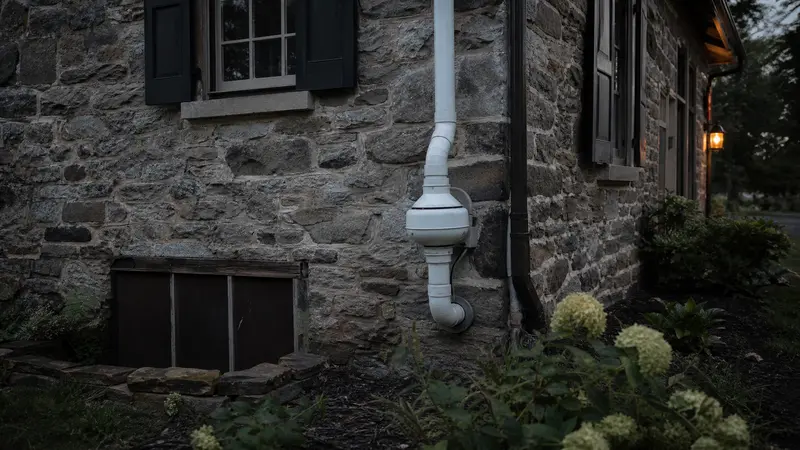
Why radon mitigation costs more in older York homes with stone or block foundations: extra suction points, sealing and pipe routing explained.
Cost to Activate a Passive Radon System
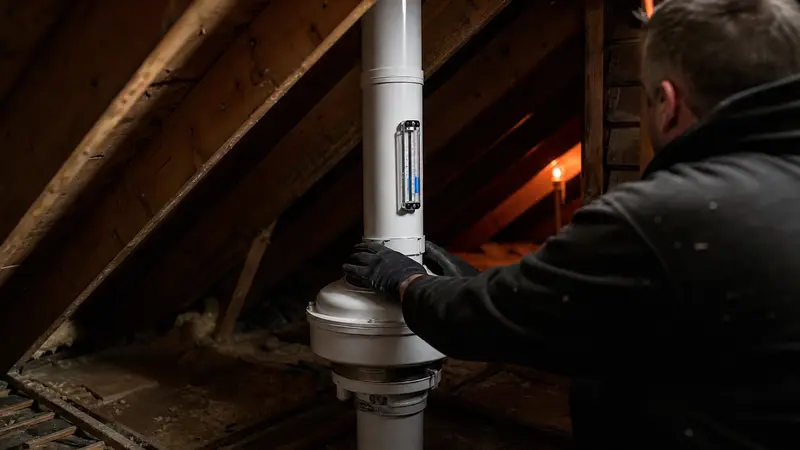
What it costs to add a fan to a passive radon pipe, what the job includes, and how to tell if your York home is radon-ready.
How Much It Costs to Run a Radon Fan
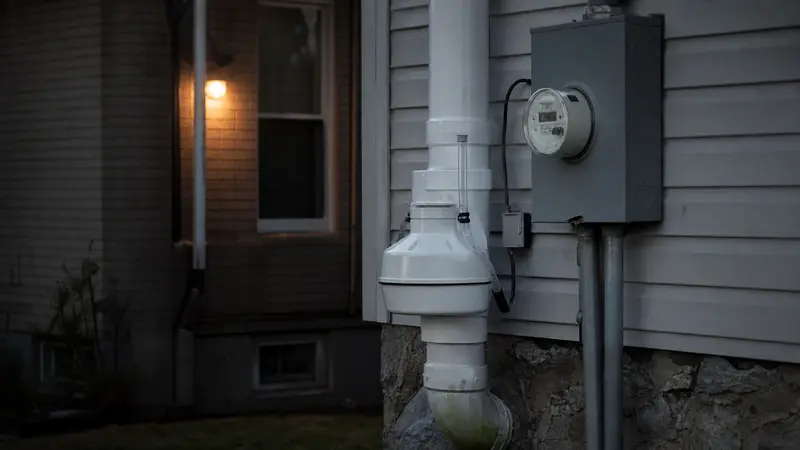
How much electricity a radon fan uses and what it costs per month at Pennsylvania rates, with a simple table by fan wattage.
Radon Fan Replacement Cost
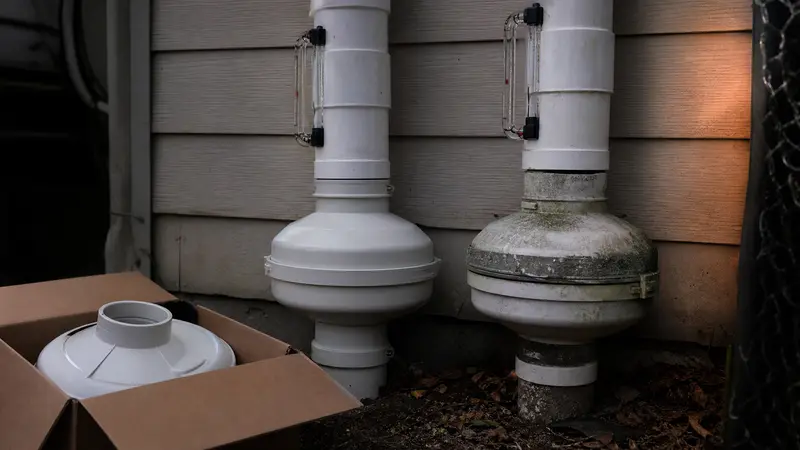
How much radon fan replacement costs, what drives the price, signs your fan is failing, and when a repair makes more sense than a new fan.
Financial Help for Radon Mitigation in Pennsylvania
Is there financial help for radon mitigation in Pennsylvania? What programs exist, what to verify, and other ways York homeowners cover the cost.
Radon Testing Cost: What You Will Pay in York
What a radon test costs in York, PA: home kits vs. professional tests, what each price includes, and which one you need for a home sale.
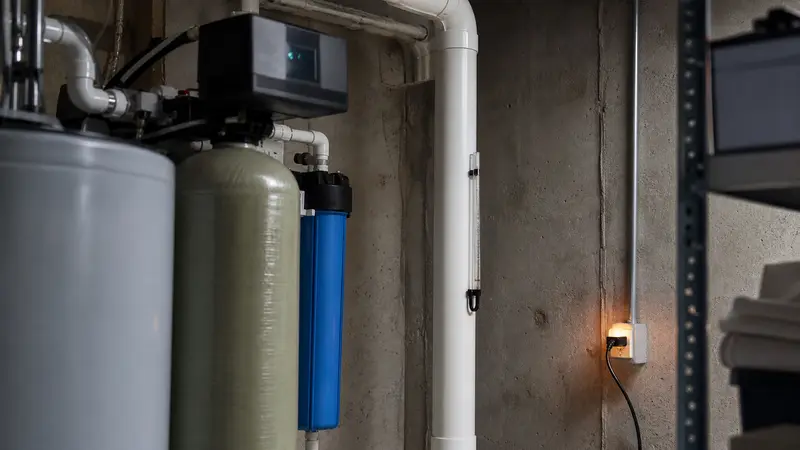
Radon in Water Treatment Cost
What radon in water treatment costs for York-area private wells: aeration vs. carbon filters, running costs, and when treatment makes sense.
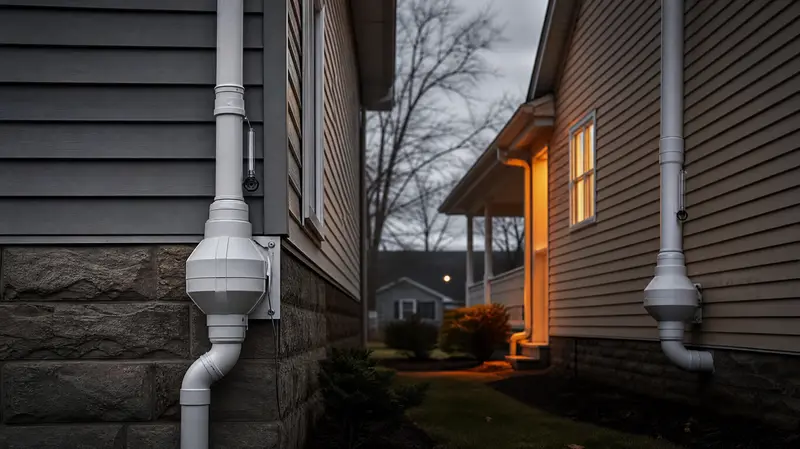
Why Radon Mitigation Quotes Vary
Why radon mitigation quotes can differ by hundreds of dollars, what each one should include, and how to compare them line by line.
Our Radon Mitigation Guarantee and PA DEP Certification
Main page →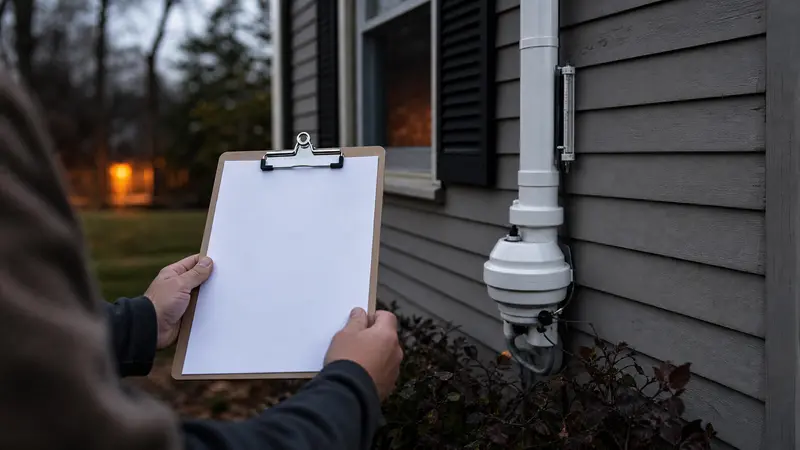
How to Choose a Radon Mitigation Contractor in Pennsylvania
Check PA DEP certification, compare written quotes and ask the right questions. A plain-English checklist for hiring a radon contractor in Pennsylvania.
NRPP vs. PA DEP Radon Certification
Pennsylvania requires PA DEP radon certification to test or mitigate for others. Here is how it differs from NRPP and how to check any contractor.
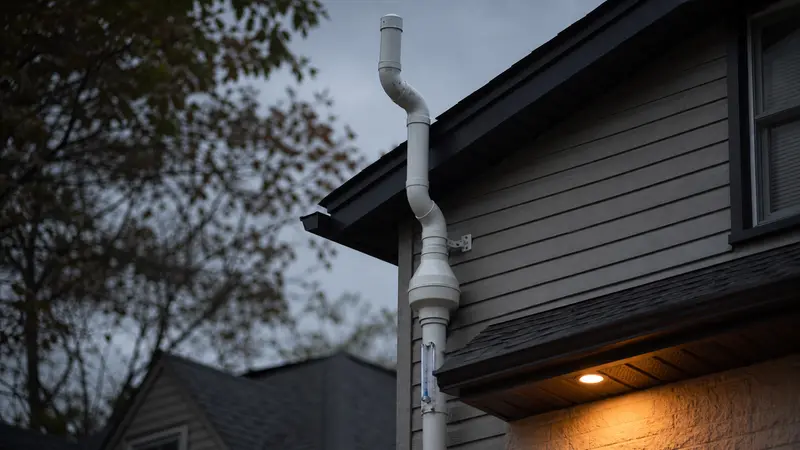
Pennsylvania Radon Mitigation Standards (25 Pa. Code 240)
What Pennsylvania's radon mitigation standards require: exhaust location, fan placement, sealing, labels, gauges and testing, in plain English.
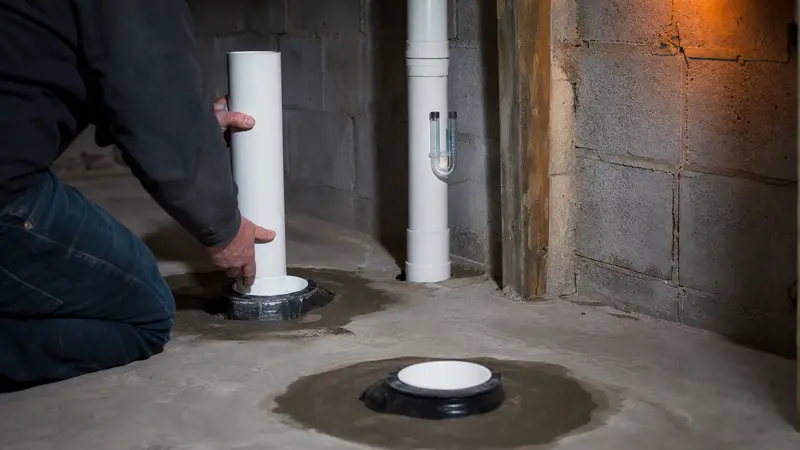
Radon Still High After Mitigation: Why It Happens and How to Fix It
Radon still high after a mitigation system went in? Learn the common causes, how installers diagnose them, and what a clearance guarantee should cover.
Radon System Warranties Explained
What a radon mitigation warranty covers: the fan maker's warranty, the installer's workmanship warranty and a clearance guarantee. Know what to ask for.
York County Radon Levels: ZIP Code Data and What It Means
Main page →
Do Air Purifiers Remove Radon?
Air purifiers don't reliably remove radon, and EPA does not recommend them for radon risk. Learn why, and what lowers radon levels.
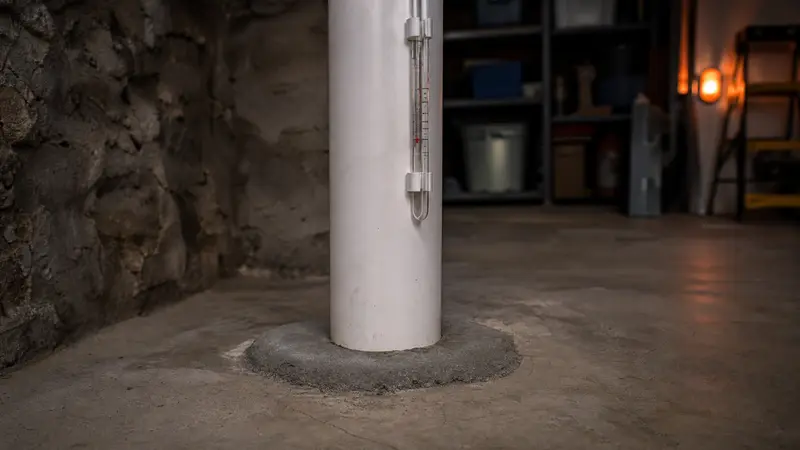
How Does Radon Get Into a House?
Radon enters through foundation cracks, slab joints, sump pits, pipe gaps and crawl space soil. See why homes pull it in and how it is stopped.
Is Radon Dangerous, or Is It Overblown?
Is radon a real danger or a sales pitch? We look at the studies, the fair criticisms and what the numbers mean for your home, without the hype.
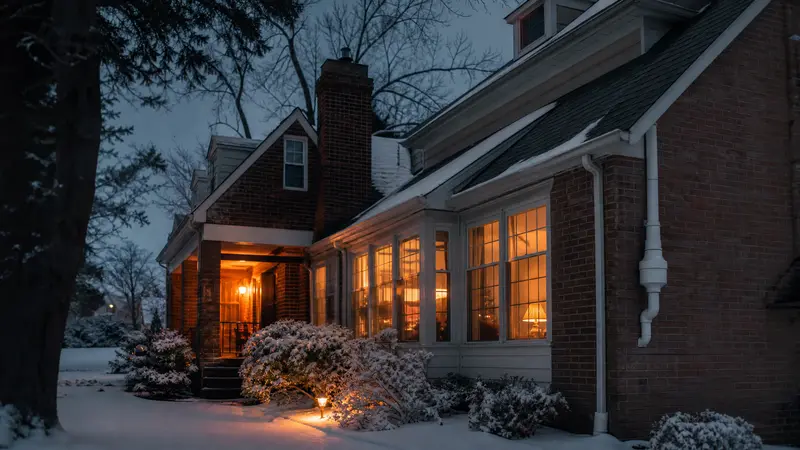
January Is National Radon Action Month
January is National Radon Action Month. Learn why EPA picks winter, why it's a smart time to test in York County, and what to do with your result.
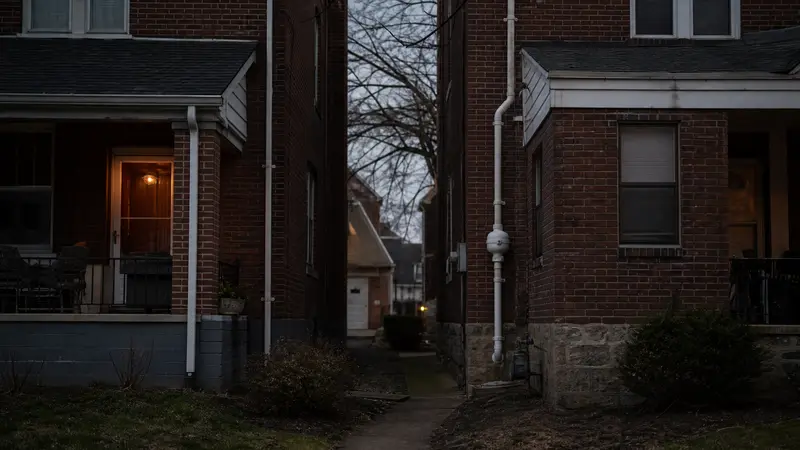
Can Your Radon Level Differ From Your Neighbor's?
A neighbor's low radon test doesn't clear your home. Soil, cracks, foundation type and air flow make every house different. Here's why.
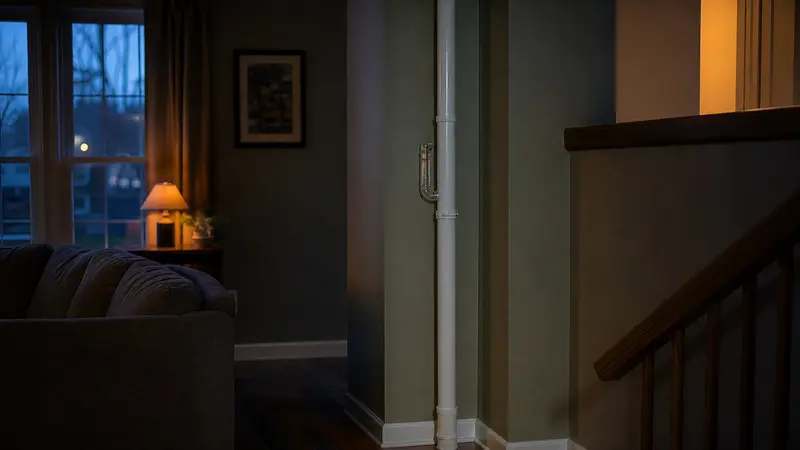
Radon Exposure Symptoms and Health Risks
Radon causes no immediate symptoms. The main risk, per EPA and CDC, is lung cancer after years of exposure. Here are the facts, without the scare.
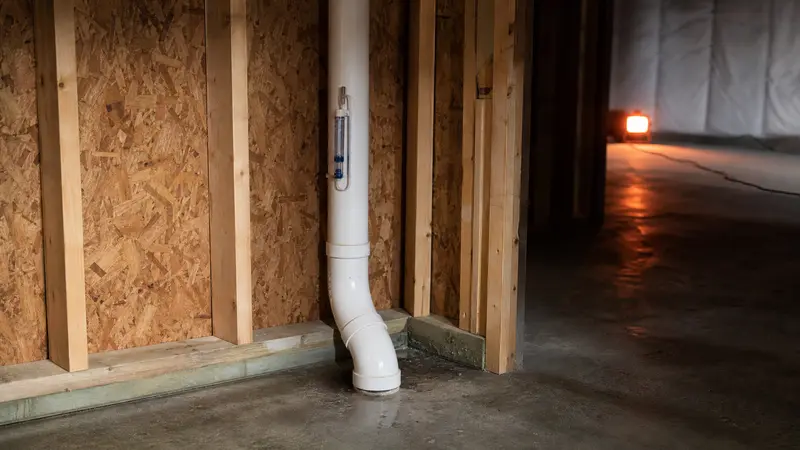
Can a House Without a Basement Have Radon?
Slab-on-grade and crawl space homes can test high for radon. See York County test data by floor type and how radon is fixed in homes without basements.
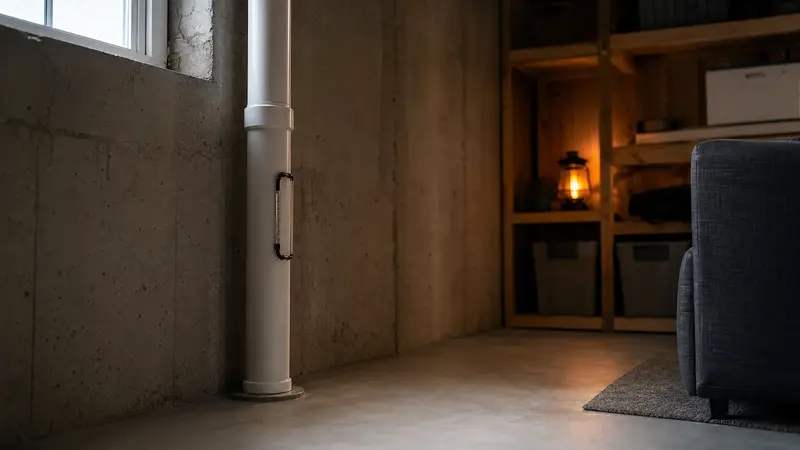
What Radon Level Is Safe?
No radon level is risk-free. EPA says fix at 4.0 pCi/L or higher and consider fixing from 2 to 4. See what your number means and what to do next.
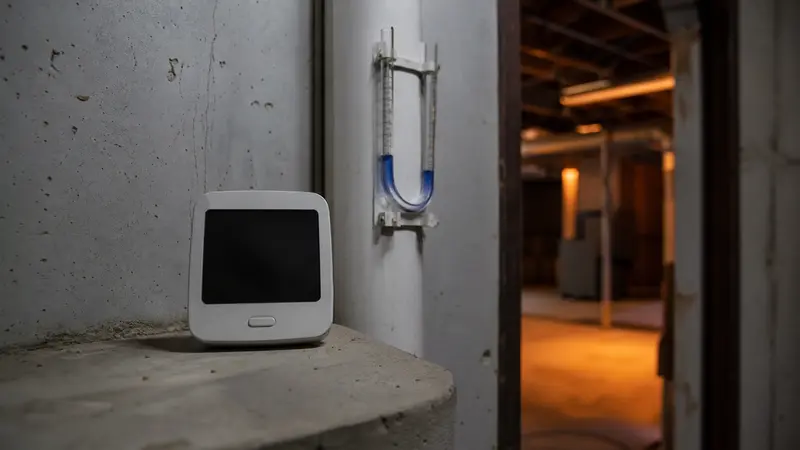
What Does pCi/L Mean for Radon?
pCi/L means picocuries per liter, the unit for radon in air. Learn what the number counts, how it converts to Bq/m3 and what 4.0 pCi/L means.
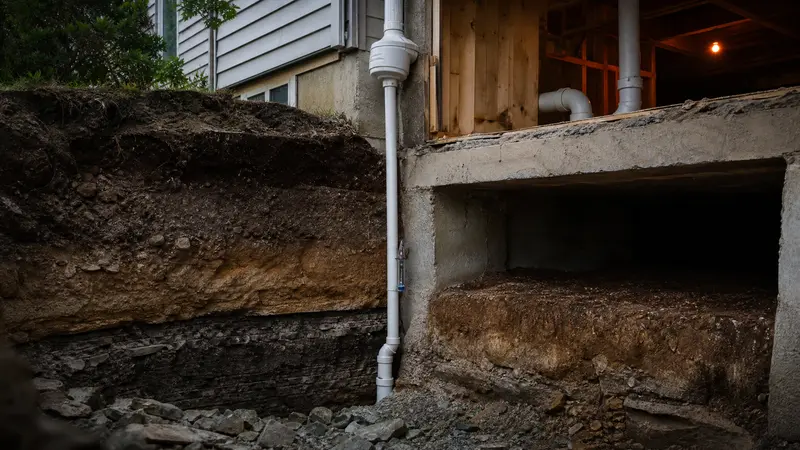
What Is Radon and Where Does It Come From?
Radon is a colorless, odorless radioactive gas made as uranium in soil and rock breaks down. Learn where it comes from and why homes trap it.
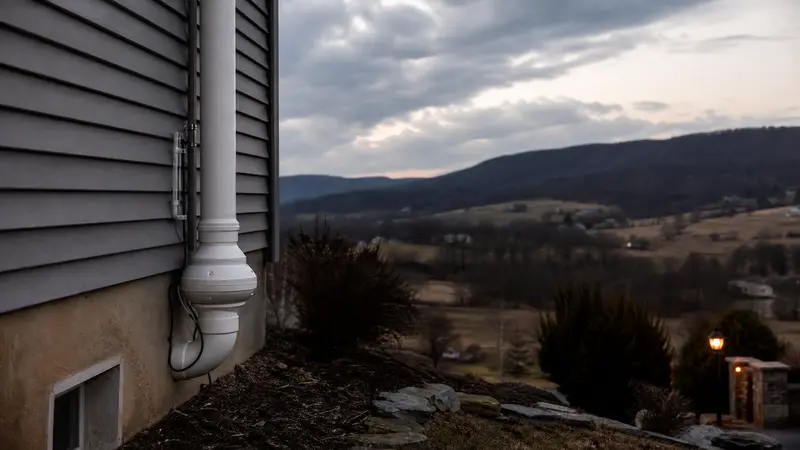
Why Is Radon So High in York County?
York County's limestone valley and fractured schist hills hold uranium and give radon easy paths into homes. Here is the geology in plain English.