On this page
Yes, you can get radon mitigation done before closing if it is scheduled quickly. Plan for the install (usually one day), a wait of at least 24 hours with the fan running, then a clearance test of at least 48 hours. Many jobs take one to two weeks from first call to results. Then send results to the agents and lender.
The rest of this guide breaks down each step, shows a sample timeline, and explains how to avoid the delays that push settlement dates.
The three steps between a high test and settlement
Step 1: Get a written quote and agree on who pays
Nothing can be scheduled until the buyer and seller agree on the radon request. The buyer usually asks the seller to install a system before settlement, and the seller agrees, counters or offers a credit. A written quote from a PA DEP-certified mitigator gives both sides a real number to work with. Getting that quote on day one of the negotiation saves the most time.
Step 2: Install the system
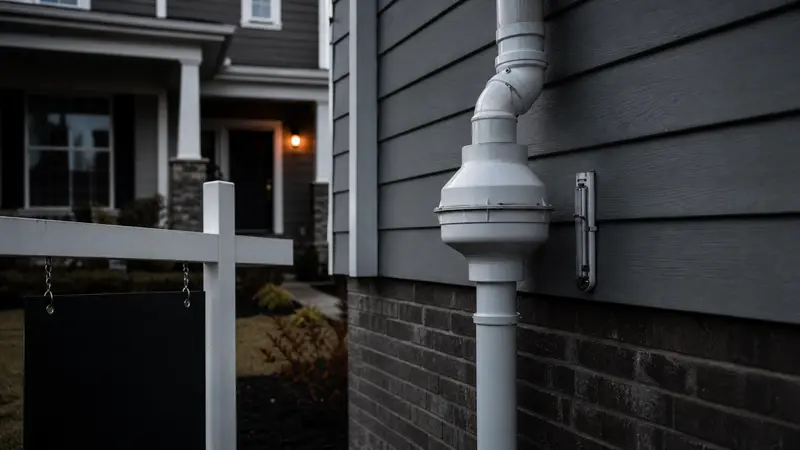
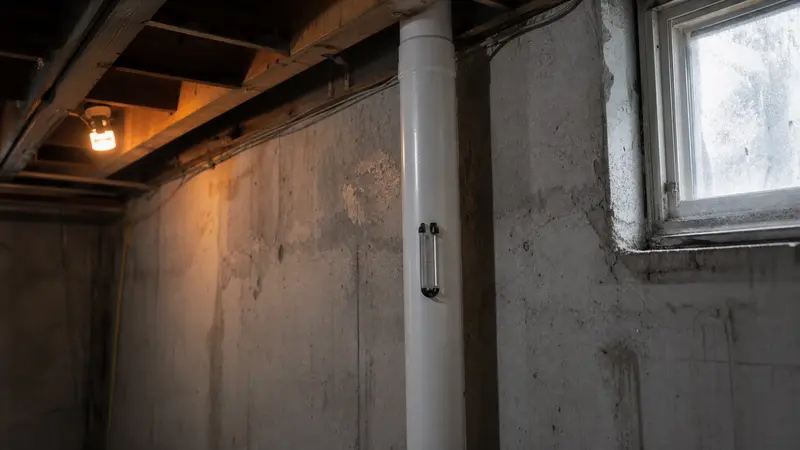
Most homes get a sub-slab depressurization system. The installer drills a suction point through the slab, runs sealed PVC pipe to a fan outside the living space, and vents the gas above the roofline. Cracks and openings, such as a sump pit, get sealed. A manometer (U-tube gauge) shows that the fan is pulling suction. For most houses, this takes one day.
Homes with crawl spaces, dirt floors or mixed foundations may need more work. A good quote will flag that up front so it does not surprise anyone on install day.
Step 3: Wait, then run the clearance test
EPA guidance and Pennsylvania testing rules call for the post-mitigation test to start no sooner than 24 hours after the system is running, and within 30 days. The test should run at least 48 hours under closed-house conditions, with the system on the whole time.
The goal is a result below 4.0 pCi/L, the EPA action level. Most well-designed systems go well below that.
A sample timeline
Here is how a typical before-closing job can line up. Actual times depend on the installer's schedule, the house and the test method.
| Day | What happens |
|---|---|
| Day 1 | Buyer's radon test comes back high. Seller's agent requests a written quote. |
| Day 2 to 3 | Quote delivered. Buyer and seller agree in writing on who pays. |
| Day 4 to 7 | System installed (usually one day). |
| 24+ hours later | Clearance test starts with the system running. |
| 2 to 3 days later | Test ends. Results are sent to agents, buyer, seller and lender. |
If the install can happen within a few days of the agreement, the whole process often fits inside one to two weeks. If settlement is closer than that, consider a credit at closing instead, or ask the parties to agree on a short extension.
What to send the lender and agents
Clean paperwork keeps the file moving. After the clearance test, the buyer, seller, both agents and the lender (if required) should get:
- The original radon test report that triggered the request.
- The installer's information, including their PA DEP certification number.
- A description of the system: suction points, fan model, pipe routing and where the manometer is.
- The post-mitigation clearance test report, showing the test dates and the result.
- Any warranty or guarantee on the system or on the clearance result.
Not every lender asks for radon paperwork. Requirements vary by lender and loan program, and relocation companies may have their own rules, so ask early. Sending it to the agents either way avoids last-minute requests.
How to avoid delays
Most radon delays come from waiting, not from the install. These steps help:
- Test early. Order the radon test with the home inspection so results come in early in the contingency period.
- Get the quote the same day. A mitigator who returns calls fast gives you a number while the negotiation is still open.
- Agree on access. The listing agent should confirm who will let the installer in and when.
- Clear the basement. Movers' boxes and storage near the slab or sump slow down the install.
- Book the clearance test in advance. Schedule it for the day after install so there is no gap.
- Keep closed-house conditions. Opened windows or doors during the retest can force a do-over.
What if the clearance test does not pass?
A failed clearance test is not common with a well-designed system, but it can happen with tight soil, hidden openings or unusual foundations. The installer typically adjusts the system: adding a suction point, sealing more openings, or changing the fan. Then a new test runs.
This is why a written guarantee on the clearance result matters before closing. It means the installer keeps working, at no extra cost, until the result is below the agreed level. Ask about it before you sign.
If the home already has a system
Some sales involve a home that already has a radon system. In that case, the job may be a repair, such as a fan replacement or resealing, not a new install. The same retest timing applies. Buyers in that situation should also check the system's age, the manometer reading and recent results. Our guide to buying a house with a radon mitigation system covers what to look for.
A note on season and York homes
York County is in EPA Radon Zone 1. Radon can be higher in winter, when homes stay closed and warm air rising inside pulls soil gas in. That does not change the timeline, but it can mean a higher starting number on a winter test. Older York homes with block or fieldstone foundations may also need extra sealing, which a site visit will catch.
Key takeaways
- Mitigation before closing is very doable with quick scheduling.
- Plan for install, a 24-hour minimum wait, and a 48-hour minimum clearance test.
- Many jobs take about one to two weeks from first call to results.
- Send the clearance report and installer details to both agents and the lender.
- Most delays come from slow quotes, slow agreements and access problems.
Frequently Asked Questions
How long after radon mitigation can you retest?
EPA guidance and Pennsylvania rules say to wait at least 24 hours after the system starts running, and to test within 30 days.
Can you close with a radon system installed but not yet tested?
Sometimes, if the buyer and seller agree. Many buyers prefer to see a passing clearance test first, so check your contract terms.
Closing soon? Let's plan it backward
We schedule radon mitigation for York home sales around your settlement date, with a free written quote, a clearance test and a paperwork packet for the file. Call (717) 356-3035 any time for a same-day callback.