On this page
- York County radon at a glance
- Radon levels in York County, PA by ZIP code
- Basement vs. upper-floor results in York County
- How to pull this data yourself
- Why radon is high in York County: the geology in plain English
- Radon basics for York homeowners
- Why York homeowners call us
- Frequently Asked Questions
- Know your number, then decide
Radon levels in York County, PA run high. Pennsylvania DEP test records show that about half of all radon tests reported in York County came back at or above the EPA action level of 4.0 pCi/L. The whole county sits in EPA Radon Zone 1, the group with the highest predicted indoor radon.
This page breaks that public test data out by ZIP code, explains the local geology in plain English and covers the radon basics. If you already have a high result, our main page on radon mitigation in York, PA explains how we fix it.
York County radon at a glance
Headline numbers from PA DEP's radon test database, filtered to York County (records from the late 1980s to 2026):
- Tests on file: about 98,800
- Median result, all tests: 4.3 pCi/L
- Average result, all tests: 10.8 pCi/L
- Share of tests at or above 4.0 pCi/L: about 53%
- Basement tests only: average 11.8 pCi/L, median 4.9 pCi/L, with about 56% at or above 4.0
- EPA radon zone: Zone 1, meaning a predicted average indoor screening level above 4 pCi/L (EPA map of radon zones)
EPA puts the average U.S. indoor level at about 1.3 pCi/L. Statewide, PA DEP says roughly 40% of homes tested in Pennsylvania are above 4 pCi/L. York County runs higher.
Radon levels in York County, PA by ZIP code
The table below shows PA DEP test results for York County ZIP codes. The York city ZIPs come first, then other York County ZIPs with at least 150 tests on file. Two ZIPs (17019 and 17070) cross the county line, so only their York County tests are counted.
Source: PA DEP radon test results, published on the Pennsylvania open data portal (dataset "Radon Test Results September 1986 to Current", county = York). Figures are our calculations from that public data, pulled October 2026, covering tests through June 2026. We left out about 690 records listed under ZIP 17011 (Camp Hill), a Cumberland County post office.
| ZIP | Post office | Tests on file | Average (pCi/L) | Median (pCi/L) | % of tests at or above 4.0 pCi/L |
|---|---|---|---|---|---|
| 17401 | York | 605 | 2.8 | 1.8 | 22% |
| 17402 | York | 10,722 | 10.5 | 4.6 | 55% |
| 17403 | York | 8,348 | 11.4 | 4.7 | 55% |
| 17404 | York | 8,196 | 7.0 | 4.0 | 51% |
| 17406 | York | 4,025 | 11.4 | 4.3 | 53% |
| 17407 | York | 714 | 16.1 | 6.5 | 62% |
| 17408 | York | 3,880 | 9.3 | 4.0 | 50% |
| 17302 | Airville | 417 | 25.1 | 7.0 | 68% |
| 17309 | Brogue | 216 | 22.2 | 9.6 | 75% |
| 17313 | Dallastown | 2,420 | 15.6 | 7.6 | 66% |
| 17314 | Delta | 972 | 15.8 | 5.1 | 57% |
| 17315 | Dover | 4,041 | 6.4 | 3.3 | 44% |
| 17019 | Dillsburg (York County part) | 5,858 | 7.2 | 3.6 | 47% |
| 17319 | Etters | 2,905 | 6.7 | 3.2 | 42% |
| 17321 | Fawn Grove | 460 | 14.4 | 6.8 | 65% |
| 17322 | Felton | 952 | 21.1 | 7.6 | 65% |
| 17327 | Glen Rock | 1,797 | 15.6 | 5.9 | 61% |
| 17329 | Glenville | 613 | 21.1 | 6.9 | 61% |
| 17331 | Hanover | 11,820 | 10.1 | 3.6 | 47% |
| 17339 | Lewisberry | 2,150 | 7.1 | 3.4 | 45% |
| 17345 | Manchester | 983 | 6.7 | 3.2 | 41% |
| 17347 | Mount Wolf | 1,258 | 14.2 | 5.1 | 58% |
| 17349 | New Freedom | 2,730 | 9.3 | 4.3 | 52% |
| 17070 | New Cumberland (York County part) | 2,101 | 7.8 | 3.2 | 44% |
| 17352 | New Park | 161 | 16.6 | 7.0 | 66% |
| 17356 | Red Lion | 5,341 | 13.8 | 6.1 | 61% |
| 17360 | Seven Valleys | 1,543 | 17.5 | 7.5 | 63% |
| 17361 | Shrewsbury | 2,117 | 8.8 | 4.3 | 52% |
| 17362 | Spring Grove | 3,003 | 17.5 | 5.8 | 59% |
| 17363 | Stewartstown | 2,814 | 14.3 | 6.9 | 64% |
| 17364 | Thomasville | 436 | 8.0 | 4.1 | 52% |
| 17365 | Wellsville | 440 | 5.1 | 2.8 | 34% |
| 17366 | Windsor | 864 | 17.8 | 8.8 | 67% |
| 17368 | Wrightsville | 1,351 | 17.5 | 5.2 | 57% |
| 17370 | York Haven | 1,034 | 6.2 | 3.0 | 41% |
This table is reference data for the whole county. We serve York, PA and the surrounding York County area.
How to read this table
Use the median, not just the average. A few homes with extreme readings (some above 1,000 pCi/L) pull the average up. The median is the middle test result, so it gives a better sense of a "typical" test in that ZIP.
The percentage column is the most useful one. It tells you how often tests in that ZIP crossed EPA's 4.0 pCi/L action level. In most York County ZIPs, that happens in about half of tests or more.
A ZIP number is not your number. These are past tests from homes that chose to test. The data does not say which tests came before or after a mitigation system was installed. Some homes were tested more than once. It shows the pattern across an area, not the level inside your house. The only way to know your level is to test, ideally with professional radon testing in York.
Downtown 17401 reads lower. The city center ZIP has fewer tests and a lower median. Building types and a smaller sample may play a part, but a low area number never clears a single home.
Basement vs. upper-floor results in York County
The same PA DEP data shows how much the test location matters. Lower floors sit closest to the soil, so they tend to read higher.
| Test location | Tests on file | Average (pCi/L) | % at or above 4.0 pCi/L |
|---|---|---|---|
| Basement | 81,840 | 11.8 | 56% |
| Crawl space | 128 | 7.5 | 39% |
| Slab on grade | 2,109 | 6.3 | 37% |
| First floor | 10,682 | 5.8 | 33% |
| Second floor | 1,086 | 5.4 | 29% |
Notice that slab and crawl space homes still crossed 4.0 pCi/L in more than a third of tests. A house without a basement is not automatically safe.
How to pull this data yourself
You can check these numbers, or look up a ZIP we didn't list, using PA DEP's own sources:
- PA DEP radon ZIP code report. DEP's Radon in the Home page links to a tool that lets you search radon test data by ZIP code.
- Pennsylvania open data portal. Search data.pa.gov for "Radon Test Results September 1986 to Current." Filter the County Name column to York, then group by Address Postal Code. You can sort by Measure Value or count results at or above 4.0.
- Note your filters. Date range and floor level both change the numbers.
If you are a journalist, teacher or local group and want our working figures, reach out through our contact page and we will share how we built the table.
Why radon is high in York County: the geology in plain English
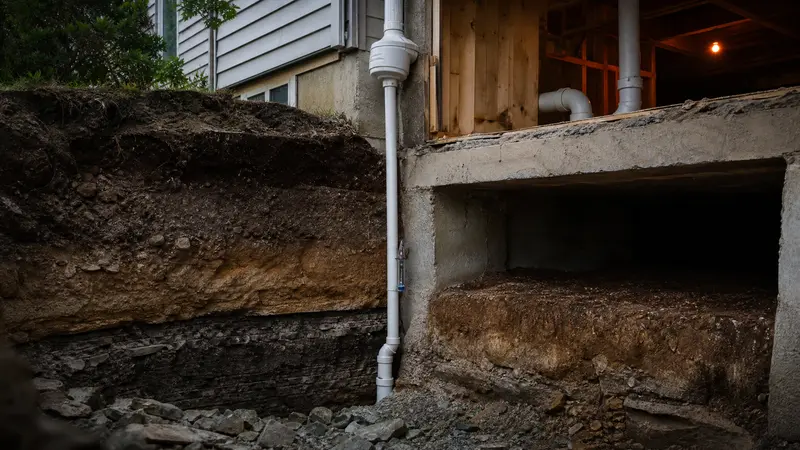
Radon comes from uranium, a natural element found in small amounts in most soil and rock. As uranium breaks down, it forms radium and then radon gas. The gas moves up through cracks in rock and gaps in soil and can collect inside buildings. How much reaches a house depends on how much uranium is in the ground and how easily gas moves through it.
York County has rock types that do both jobs well. Here is the simple version, from north to south.
The north: red shale, sandstone and diabase
Northern York County, around the Susquehanna and the Harrisburg side of the county, sits on younger red shale, siltstone and sandstone. Dark igneous rock called diabase (the York Haven Diabase is named for this area) cuts through it.
The middle: the York Valley limestone belt
A band of limestone and dolomite runs east to west through the middle of the county, including much of the York area. As limestone slowly dissolves, it leaves behind clay-rich soil. A U.S. Geological Survey study of Pennsylvania radon notes that this process "creates soils that are enriched in impurities, including radionuclides such as uranium and radium." Dissolving rock can also open cracks and voids that let gas travel.
The south: schist, phyllite and quartzite hills
Southern York County is rolling upland made of older metamorphic rock, such as schist and phyllite, with some quartzite and slate. These rocks are often fractured and topped by deep weathered rock, which gives gas many paths to the surface.
What the data shows
In the ZIP table, southern ZIPs such as Airville, Brogue, Felton and Windsor show some of the highest medians, while northern ZIPs such as Etters, Lewisberry and York Haven show some of the lowest. That loosely matches the rock belts above, though ZIP lines do not follow rock boundaries and every ZIP still has many high tests.
Statewide, a U.S. Geological Survey report on indoor radon in Pennsylvania found that about half of the geologic units it studied had median basement levels above 4 pCi/L. Its carbonate (limestone) settings ranked among the highest-risk groups.
One common myth: York County is not part of the Reading Prong. That famous high-radon rock belt runs through eastern Pennsylvania. York County's radon comes from its own mix of rocks and soils.
Radon basics for York homeowners
Where radon comes from and how it gets inside
Radon is a colorless, odorless radioactive gas. Outdoors it spreads out and stays low, but a house can trap it. Air pressure inside a home is usually a bit lower than in the soil below, so the house pulls soil gas in through foundation cracks, slab joints, sump pits, pipe gaps and open crawl space soil. Learn more about how radon gets into a house.
Levels often rise in colder months, when windows stay shut and warm air rising through the house draws more soil gas in at the bottom.
Why it matters
EPA estimates radon causes about 21,000 lung cancer deaths in the U.S. each year, and it is the leading cause of lung cancer among people who have never smoked. Risk builds with the level and the years of exposure, and smoking raises it sharply. If you wonder whether the concern is inflated, we look at the evidence in is radon dangerous or overblown.
What to do with your number
- 4.0 pCi/L or higher: EPA recommends fixing your home.
- 2 to 4 pCi/L: EPA says to consider fixing it.
- Below 2 pCi/L: Retest every couple of years and after major renovations.
If you're budgeting, see our guide to radon mitigation cost in York. Our own pricing is $935 to $1,320, and a free written quote after a site visit sets the real number.
Testing at all matters more than timing. Still, January is National Radon Action Month, and winter is a good time to test because homes are closed up.
Why York homeowners call us
DEP-Certified Installers
Pennsylvania requires anyone who tests for or reduces radon for someone else to be certified by PA DEP under the Radon Certification Act and 25 Pa. Code Chapter 240. Our installers hold that certification, and the number is on every written quote. You can look up any certified firm in DEP's online directory before you hire. That check protects you from unlicensed work and makes sure the person reading your data knows what the numbers mean.
Written clearance guarantee
After every install, we run a clearance test no sooner than 24 hours after the system starts and within 30 days, following EPA guidance. If that test is not below 4.0 pCi/L, we keep working at no charge until it is. You get the guarantee in writing, so the result is the measure of the job. Most installs finish in one day.
Built to the current standard
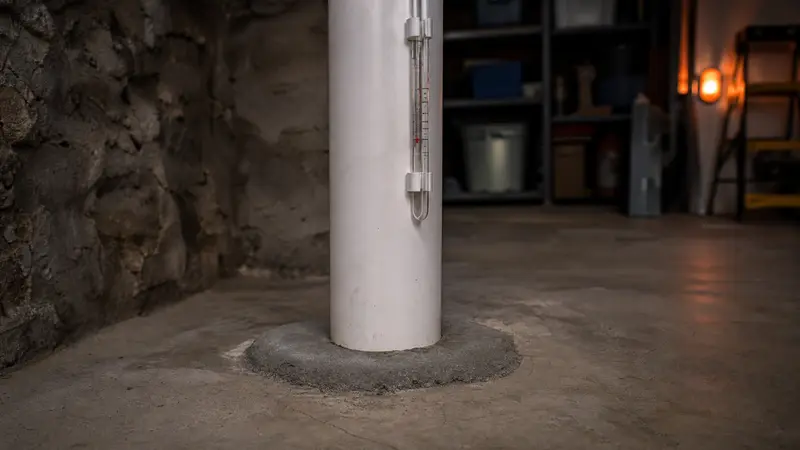
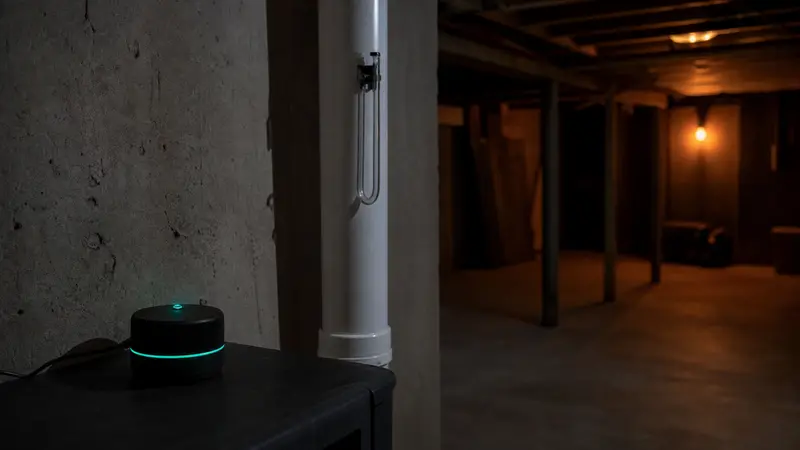
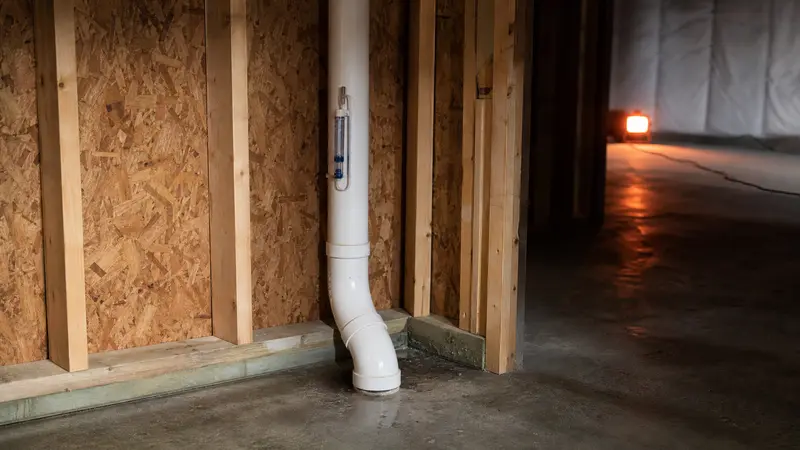
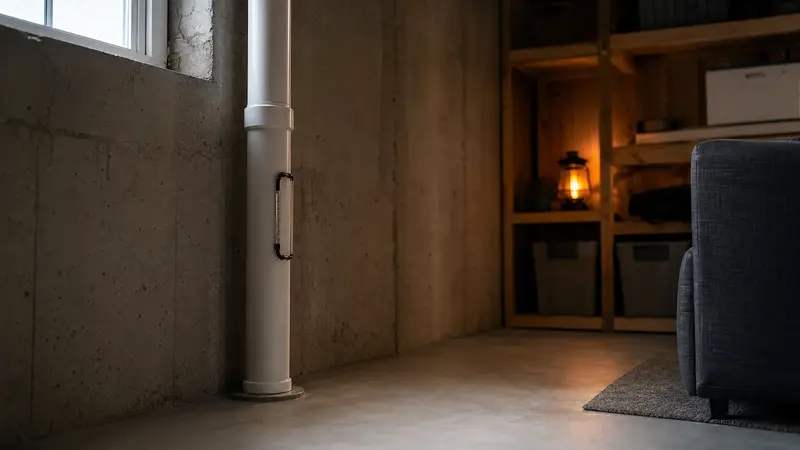
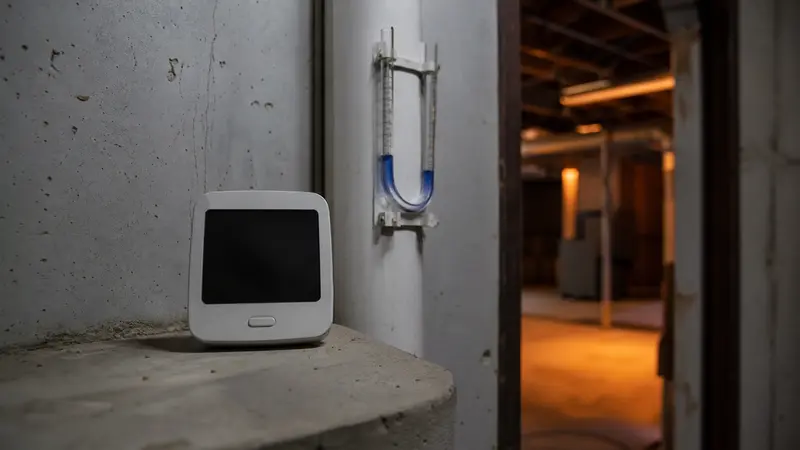
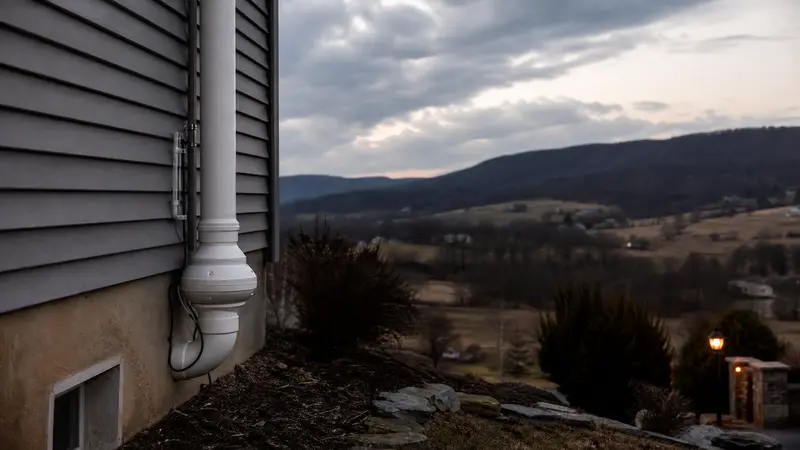
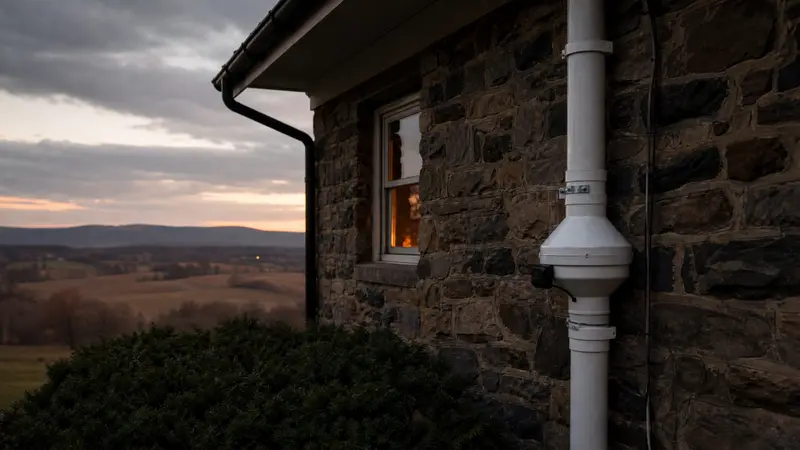
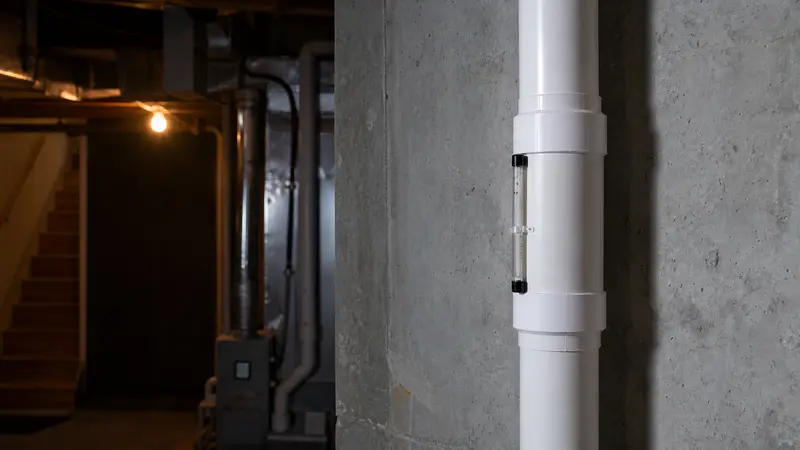
We design systems to the ANSI/AARST mitigation standards that Pennsylvania-certified work follows. That means a properly sized fan, a sealed suction point, a system label and a pressure gauge you can read yourself, so you can confirm the system is running. That matters in York County, where limestone soils, fieldstone walls and crawl space additions can make one house very different from the next.
Frequently Asked Questions
Why is radon so high in York County?
Radon is high in York County because the ground holds uranium-bearing rock and soil. A limestone belt through the middle of the county weathers into clay soils that can carry uranium and radium, while fractured schist and phyllite in the south give gas easy paths upward. Read more on why radon is high in York County.
What radon level is safe?
No radon level is completely risk-free, because risk rises with every bit of exposure. EPA recommends fixing your home at 4.0 pCi/L or higher and says to consider fixing it between 2 and 4 pCi/L. Most homes can be brought below 4, and many below 2. Here is more on what radon level is safe.
What does pCi/L mean?
pCi/L stands for picocuries per liter, the U.S. unit for radon in air. It counts radioactive decay in one liter of air. One picocurie equals about 2.2 atoms breaking down each minute, so 4 pCi/L means roughly 9 decays per minute in every liter. See what pCi/L means for simple comparisons.
What is radon and where does it come from?
Radon is a colorless, odorless radioactive gas. It forms naturally when uranium in soil and rock breaks down into radium and then radon. The gas rises through the ground and can build up inside homes, especially in basements and lower floors. Learn what radon is and where it comes from.
Are there symptoms of radon exposure?
No. Radon causes no immediate symptoms such as headaches, coughing or rashes. The main risk, according to EPA and CDC, is lung cancer that can develop after years of exposure, and lung cancer often shows no signs until it is advanced. Testing is the only way to know. See radon health risks and symptoms.
Do air purifiers remove radon?
Not in any reliable way. Radon is a gas, so filters built to trap particles do not remove it. EPA does not recommend air cleaners for reducing radon risk. Source control, such as active soil depressurization, is the proven fix. Read more on do air purifiers remove radon.
My neighbor tested low. Does that mean I'm fine?
No. Radon levels can be very different between two homes on the same street. Soil, cracks, foundation type and how each house moves air all change how much gas gets in. EPA says every home should be tested on its own. Learn more about can your radon differ from your neighbor's.
Is radon a problem in houses without basements?
Yes. Slab-on-grade and crawl space homes sit on soil too, and they can still test high. In York County's PA DEP data, more than a third of slab and crawl space tests reached 4.0 pCi/L or higher. Read about radon in homes without basements.
Know your number, then decide
The ZIP data shows the pattern. Your test shows your home. If your result is 4.0 pCi/L or higher, or between 2 and 4 and you want it lower, call (717) 356-3035 any time for a same-day callback and a free written quote, or contact us online.