On this page
PA DEP radon certification is the state license Pennsylvania requires for anyone who tests, mitigates or analyzes radon for someone else. NRPP is a national private credential. It shows training, but it is not enough on its own to work in Pennsylvania. If you hire a radon contractor here, the PA DEP certification is the one to check.
What PA DEP radon certification is
Pennsylvania passed the Radon Certification Act and backs it with rules in 25 Pa. Code Chapter 240. Under these rules, the PA Department of Environmental Protection certifies three kinds of radon work:
- Testing: measuring radon in a building for someone else
- Mitigation: designing and installing systems that lower radon
- Laboratory analysis: analyzing radon test devices
Each type is a separate certification. A person certified to test is not certified to install systems unless they also hold a mitigation certification.
The rules apply to anyone doing the work for others. A homeowner testing their own house does not need to be certified. A few other narrow groups, such as government employees on duty and certain researchers, are also exempt.
What it takes to get certified
For mitigation certification, the PA Code says an individual must:
- Complete a DEP-approved course on radon mitigation
- Pass a DEP-approved written exam on radon mitigation within two years before applying
- Have one year of professional experience installing radon systems, or three years in a related trade such as engineering, electrical, plumbing, carpentry or masonry
Certification is valid for two years, then must be renewed. Certified firms must also see that their people receive continuing education every two years.
Certified mitigators must also follow Pennsylvania's installation rules, report their work to DEP, and label every system with their name and certification number.
What NRPP certification is
The National Radon Proficiency Program (NRPP) is a private, national credentialing program. It offers certifications for radon measurement and mitigation professionals, based on training, an exam and continuing education.
Many states that do not license radon work rely on national credentials like NRPP. Some states accept them as part of their own process. In Pennsylvania, DEP accepts mitigation exams from NRPP and the National Radon Safety Board (NRSB) for the state's exam step, but the state certification itself is still required.
NRPP vs. PA DEP at a glance
| PA DEP certification | NRPP certification | |
|---|---|---|
| Who issues it | PA Department of Environmental Protection | National Radon Proficiency Program |
| Type | State license required by law | Private national credential |
| Required to test or mitigate for others in PA? | Yes | No, and not enough on its own |
| Covers | Testing, mitigation or lab work (separate) | Measurement or mitigation (separate) |
| Where to verify | DEP radon services directory | NRPP online search |
Is NRPP certification enough in Pennsylvania?
No. If someone tests or mitigates radon in your Pennsylvania home for pay, they need PA DEP certification. An NRPP credential alone does not meet the law.
That does not make NRPP useless. Many good contractors hold both. It shows they keep up with national standards, such as the ANSI/AARST standards that the EPA now points to for existing homes. But when you are hiring in York, ask for the DEP number first.
How to check a contractor's DEP certification
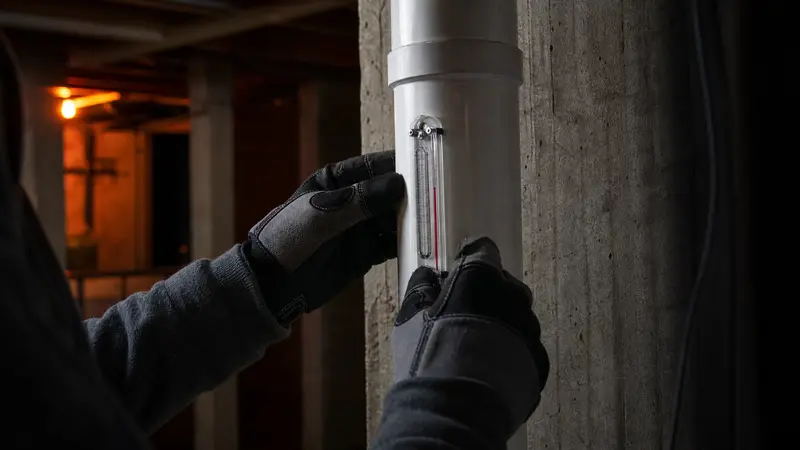
- Ask for the PA DEP certification number. It should be on the quote and the system label.
- Open the radon services directory from the PA DEP Radon Division page.
- Search the name or number, and confirm the certification type is mitigation.
- If anything does not match, call the PA DEP radon hotline at 800-237-2366.
Why it matters for your results
Certification is not just paperwork. Pennsylvania's rules set where the fan can go, where the exhaust must end and what must be sealed. A certified mitigator is held to those standards, and the work is reported to the state.
If your level is still high after a system goes in, the cause is often a design or sealing problem. Read radon still high after mitigation for the common causes and what a certified installer should do next.
Key takeaways
- PA DEP certification is required by law to test or mitigate radon for others in Pennsylvania.
- NRPP is a respected national credential, but it is not a substitute for state certification here.
- Testing and mitigation are separate DEP certifications.
- DEP certification lasts two years and must be renewed.
- Always check the number in the DEP radon services directory.
Frequently Asked Questions
Does a home inspector need DEP certification to run a radon test?
Yes. If they test radon for a client, Pennsylvania requires a DEP testing certification. That certification does not allow them to install systems.
Can I install my own radon system without certification?
Pennsylvania's certification rules are aimed at people doing radon work for others. If you plan a DIY install on your own home, check with PA DEP first, and still test afterward to confirm it worked.
How often does DEP certification renew?
Every two years, under the PA Code.
Hire a certified York installer
Every system we install is done by DEP-Certified Installers, and our number is on every quote. Read the terms of our York radon clearance guarantee, or call (717) 356-3035 any time for a same-day callback.